When time is tight but your sweet tooth is screaming, the 6-minute caramel recipe is your kitchen’s best-kept secret. This golden, velvety sauce transforms everyday snacks into gourmet treats — all in under ten minutes. Whether you’re drizzling it over ice cream, folding it into brownies, or sneaking spoonfuls straight from the pan, fast caramel delivers all the flavor with none of the fuss.
In this guide, you’ll discover how to make luscious caramel in just six minutes, what ingredients create the magic, and which cooking methods save the most time. We’ll break down caramel’s science, show you how to tweak texture from soft to chewy, and answer the top caramel questions home cooks ask every day.
Fast caramel has become a go-to for home bakers and busy families. Unlike traditional recipes that call for slow simmering, thermometers, and stress, the 6-minute caramel recipe removes the intimidation factor. It’s the ideal solution for those spontaneous dessert cravings or last-minute party prep.
What makes it even more appealing is how it bridges the gap between convenience and flavor. You don’t have to compromise. You can have both — speed and that rich, buttery, slightly nutty taste that defines perfect caramel. No candy thermometers, no endless stirring, no guesswork.
The rise of quick sweets on social media platforms like TikTok and Pinterest has only amplified the trend. Viral recipes often prioritize minimal ingredients and shorter cook times — which is exactly what this caramel delivers.
The Origins of the 6-Minute Caramel Trend
The obsession with ultra-fast cooking isn’t new. But caramel? That’s traditionally been a slow game. So how did we get here?
Food bloggers and chefs began experimenting with sugar melting techniques in the early 2010s. The goal: to simplify caramelization without compromising flavor. Microwave adaptations popped up, followed by stovetop shortcuts using specific ratios of sugar, cream, and butter — carefully timed and mixed to perfection.
Today, the 6-minute caramel recipe has carved a niche for itself. It appeals to everyone — the seasoned baker who wants a quick batch for dipping apples, and the beginner cook who’s never made candy before.
Essential Ingredients for Perfect 6-Minute Caramel
Best Sugar Types for Fast Caramelization
When you’re working with a 6-minute caramel recipe, every second counts — and your choice of sugar makes all the difference. Not all sugars melt or caramelize at the same rate, and using the wrong one can lead to crystalized, grainy results or burnt, bitter batches.
Here’s what works best for quick caramel:
Sugar Type
Caramelization Speed
Flavor Profile
White Granulated Sugar
✅ Fast
Clean, sweet base
Light Brown Sugar
✅ Fast
Slight molasses depth
Dark Brown Sugar
⚠️ Medium
Deeper molasses, richer taste
Raw or Turbinado Sugar
❌ Slow
Less predictable in quick recipes
White granulated sugar is the top pick for most 6-minute caramel recipes because of its even melting point and predictable color change. Light brown sugar, however, can enhance flavor without slowing the process much — giving your caramel a slightly richer depth without more cooking time.
Avoid powdered sugar or artificial sweeteners — they don’t caramelize properly and may cause the recipe to seize or burn quickly.
Why Butter and Cream Matter in Caramel Texture
Once your sugar starts to melt and brown, the next critical step is adding fat. That’s where butter and heavy cream come in. They’re not just there for richness — they control texture, mouthfeel, and the final consistency of your caramel sauce.
Here’s how they affect your 6-minute caramel:
Butter (Unsalted, High Fat): Adds depth and prevents sugar crystals from reforming. Softens the finished texture.
Heavy Cream (Minimum 36% Fat): Makes the caramel pourable and creamy. Without it, your caramel may be too stiff or burn more easily.
Pro tip: Always use room-temperature cream and butter. Adding cold ingredients to hot sugar can cause rapid bubbling and separation, especially in a fast-cooking caramel.
The correct balance of sugar, butter, and cream ensures your caramel is smooth, glossy, and delicious — never grainy or greasy. These basic ingredients work in harmony to deliver restaurant-quality sauce in your own kitchen, all in under six minutes.
Step-by-Step: How to Make a 6-Minute Caramel Recipe
Quick Cooking Instructions with Pro Tips
The magic of this 6-minute caramel recipe lies in its simplicity. You don’t need fancy tools or hours in the kitchen. Just a few basic ingredients, a saucepan, and your full attention for six short minutes.
Here’s the fast-track to golden, gooey perfection:
Ingredients:
1 cup white granulated sugar
6 tablespoons unsalted butter (room temperature)
1/2 cup heavy cream (room temperature)
Pinch of salt (optional, but great for balance)
1/2 teaspoon vanilla extract (optional, added at the end)
Instructions:
Melt the sugar
Use a medium-sized, heavy-bottomed saucepan over medium heat.
Pour in the sugar and begin stirring constantly with a silicone spatula or wooden spoon.
As it melts, the sugar will clump, then start to liquefy and turn golden.
Add the butter
Once sugar is fully melted and amber-colored, immediately add the butter.
Be careful—it’ll bubble up rapidly! Stir until fully combined and smooth.
Slowly pour in the cream
Remove the pan from heat for a second, then slowly add the cream while stirring continuously.
The mixture will foam and bubble. Keep stirring until it settles into a creamy sauce.
Finish with vanilla and salt (optional)
Stir in vanilla and salt for added flavor depth.
Let the caramel cool for 5 minutes before using or transferring to a jar.
Step
Time Required
Melting sugar
2–3 minutes
Adding butter & cream
2 minutes
Final stir & cool
1 minute
And just like that, you’ve made caramel in 6 minutes — no thermometer needed.
Common Mistakes to Avoid While Cooking Fast Caramel
Fast caramel means fast reactions — and that means you need to be ready for a few common mistakes:
Overheating the sugar
If the sugar turns too dark, it’ll taste bitter. Stick to a medium heat and watch it closely.
Adding cold butter or cream
Cold ingredients shock the sugar and cause it to seize. Always let them reach room temperature first.
Stopping the stir
Keep stirring! Constant motion prevents clumping and promotes even melting.
Walking away
It only takes a few seconds for caramel to burn. Don’t multitask — stay present.
Skipping the rest period
Caramel thickens as it cools. Don’t judge its final texture straight from the pot.
Avoiding these simple mistakes ensures your 6-minute caramel recipe results in a smooth, glossy, perfectly flavored sauce every time.
Understanding Caramel Chemistry in Just Minutes
What Happens to Sugar at High Temperatures
Caramelization might feel like magic, but it’s pure chemistry in action. Understanding how sugar behaves during your 6-minute caramel recipe can help you control flavor, color, and texture with precision.
As you heat sugar, its molecules begin to break down in a process called thermal decomposition. This starts at around 320°F (160°C), where the sugar crystals melt and change structure. The mixture goes from clear to light yellow, then to amber as the heat increases.
Here’s a quick temperature breakdown:
Temperature
Sugar Appearance
Flavor Note
320°F
Clear melt
Very sweet, no complexity
340°F
Pale gold
Light caramel flavor
350°F
Amber
Rich, nutty, balanced
370°F+
Deep brown
Bitter, burnt flavor risk
The sweet spot for most quick caramel recipes is between 340°F and 350°F, though many home cooks skip the thermometer and simply watch the color. For a 6-minute caramel, trust your eyes — when it turns golden amber, it’s time to move fast.
Color equals flavor in caramel. The darker it gets, the deeper and more complex the taste. But beware: wait too long, and it can tip from perfect to scorched in seconds.
How Time Affects Caramel Color and Flavor
Timing isn’t just about speed — it’s about control. In fast caramel recipes, even 10 seconds can make the difference between smooth sauce and a bitter mess.
Here’s what to watch for as your sugar heats:
First 2 minutes: Sugar clumps and starts melting.
Minutes 3–4: Clear liquid forms, then starts to tint yellow.
Minutes 5–6: Amber hue develops — remove from heat at this stage for best results.
Every second of heating changes the chemical structure of the sugar. More time means more flavor complexity, but also more risk.
That’s why the 6-minute caramel recipe is so genius — it hits the ideal balance point. Just enough time for caramelization, without crossing into bitterness.
If your caramel tastes too sweet, cook it slightly longer next time. If it’s bitter or too dark, pull it from heat sooner. Small adjustments make a big difference in a quick recipe like this.
The beauty of the 6-minute caramel recipe is that it’s flexible. Want a sauce for drizzling? You’ve got it. Prefer a chewy candy texture? Just tweak the heat and time slightly. Every second counts when you’re working fast, so understanding the cook time-to-texture ratio is essential.
Here’s how time and temperature affect caramel consistency:
Cook Time
Temperature
Texture
Best For
4–5 min
~320–330°F
Soft and pourable
Ice cream, pancakes, drizzle
5–6 min
~340°F
Chewy, slightly firm
Caramel chews, bars
6+ min
350°F+
Firm, snappy
Candy coating, dipped apples
To keep caramel soft, remove it from heat as soon as it turns a light golden amber. Add your cream and butter right away — this will instantly cool the mixture and stop it from getting too firm.
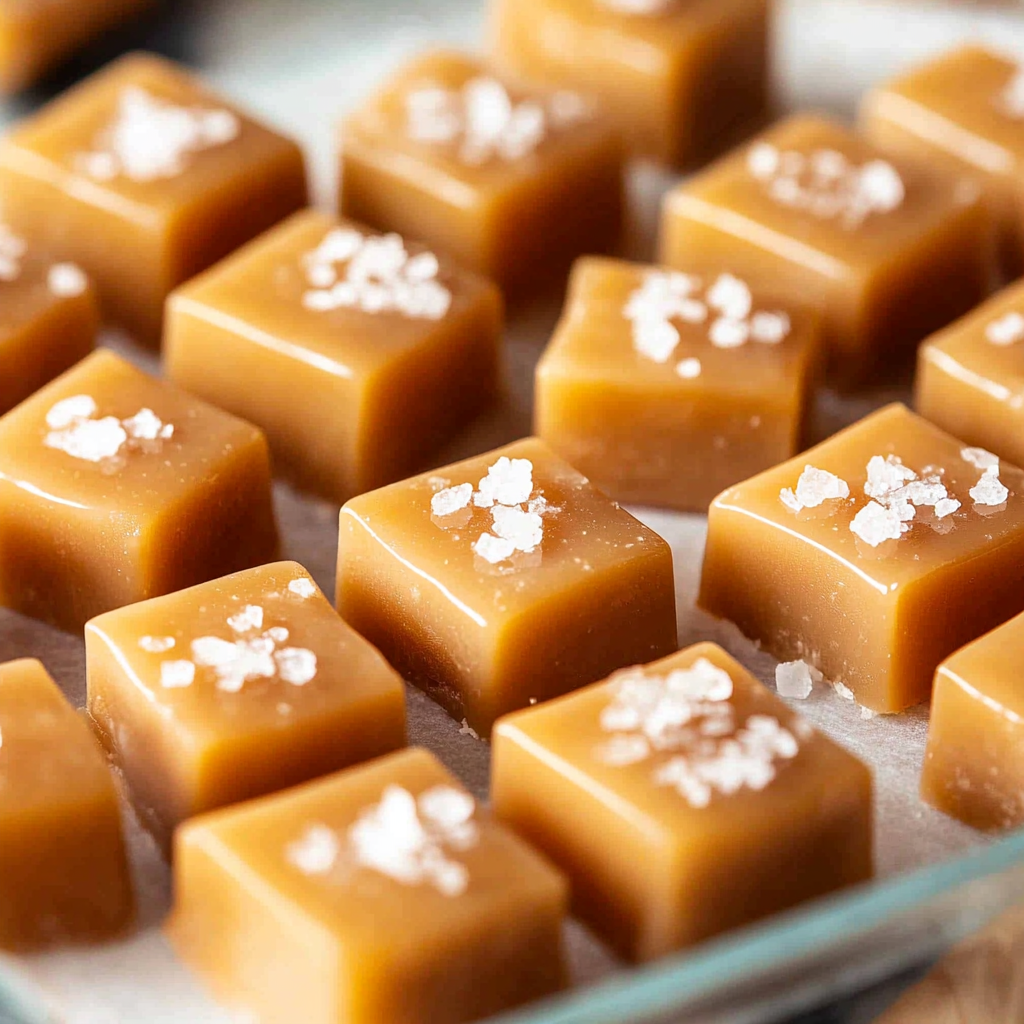
For chewier caramel, let the sugar darken just a bit more — still amber, but a deeper hue. Letting it cook for the full 6 minutes (but not beyond) creates a dense, pull-apart texture that sets as it cools.
If you’re aiming for hard caramel, extend the cooking by just 30–45 seconds more. But be warned: this leaves almost no room for error. The line between “firm” and “burnt” is razor-thin at this stage.
Tricks to Make Caramel Chewy or Snappy
Texture isn’t only about cook time — it also comes down to ingredient ratios and cooling method. Want chewy caramel that holds its shape? Add a little more butter. Want hard caramel that cracks? Reduce the cream slightly.
Here are a few pro tips:
Chewy Caramel Hack: Add 1 tablespoon of corn syrup to the sugar before heating. It prevents crystallization and helps create elasticity.
Hard Caramel Tip: Skip the vanilla and salt for a cleaner snap. Use a silicone mat to pour and cool it quickly.
Sauce-Like Finish: Stir in 1 extra tablespoon of cream at the end for a more fluid consistency.
Temperature aside, how you cool the caramel also affects its final form. For softer caramel, let it cool slowly in the pan. For firm caramel, pour it onto a parchment-lined sheet and let it set fast.
Microwave vs Stovetop: Which 6-Minute Method Wins?
Pros and Cons of Microwave Caramel Recipes
For speed demons in the kitchen, microwave caramel might sound like a dream. And in many ways, it is — minimal cleanup, precise timing, and no open flame. But like any shortcut, it comes with trade-offs.
Here’s a breakdown of the microwave caramel method:
How it works:
Combine sugar, butter, and a splash of water or corn syrup in a microwave-safe bowl.
Heat in 1-minute intervals, stirring in between, for a total of 5–6 minutes.
Add cream last, stir, and microwave for one final 30-second burst.
Microwave Caramel
Pros
Cons
Fastest method
✅ Under 6 minutes
❌ Easy to overheat
Less stirring
✅ Great for beginners
❌ Texture can be inconsistent
Less mess
✅ Single bowl cleanup
❌ Limited batch size
Safe for kids
✅ No flame
❌ Color/flavor less rich
If you’re new to caramel-making or short on time, the microwave method delivers solid results for soft caramel sauces. But if you’re aiming for more complex flavor, you may want to grab a pan.
Stovetop Techniques for Speed and Consistency
Traditionalists swear by stovetop caramel — and for good reason. It gives you more control, better flavor, and consistent results, even when you’re working fast.
In a 6-minute caramel recipe, the stovetop method involves melting sugar evenly, then quickly adding butter and cream. You’ll need to stir constantly, keep an eye on the color, and adjust the heat if needed.
So, which is better? If you’re making caramel just for drizzling, the microwave is your friend. But if you’re crafting candies or rich sauces for baking, stovetop is the champion — especially in under six minutes.
Storage, Reheating, and Using Caramel in Recipes
Best Ways to Store Homemade Caramel
Once you’ve nailed your 6-minute caramel recipe, you’ll want to keep that golden goodness fresh and ready to go. The good news? Caramel stores beautifully — if you follow the right methods.
Here’s how to store caramel sauce safely and maintain its smooth texture:
Storage Method
Duration
Notes
Room Temp (sealed jar)
1 day
Best for same-day use only
Refrigerator
2–3 weeks
Keep in airtight glass jar
Freezer
Up to 3 months
Use silicone molds or freezer-safe bags
Tips:
Let the caramel cool completely before sealing it in a container.
Glass jars are better than plastic — they prevent flavor absorption and seal tighter.
Label jars with the prep date to keep track of freshness.
Whether you’ve made a batch to drizzle over apple pie or to dip sliced fruit, having extra on hand is a delicious luxury.
Delicious Dishes That Use Fast Caramel Sauce
Your 6-minute caramel recipe isn’t just a standalone treat — it’s the versatile MVP of your dessert table. From breakfast to late-night snacks, caramel makes everything better.
Want a fun idea? Try dipping cheesecake-stuffed strawberries in caramel, chill for 10 minutes, and serve as a decadent party snack.
Reheating tip: When refrigerated, caramel thickens. To reheat, place the jar in warm water for a few minutes or microwave in 10-second bursts, stirring between each round. Avoid overheating — it can separate or burn.
Expert Tips and Tools for Consistent 6-Minute Caramel
Recommended Tools: Thermometers, Pans, and Spoons
Even though a 6-minute caramel recipe can be done with the basics, a few reliable kitchen tools can make your caramel smoother, safer, and more consistent every time.
Here are the top tools recommended by pastry chefs and baking pros:
Tool
Why It Helps
Pro Tip
Heavy-bottomed saucepan
Even heat distribution
Prevents hot spots and scorching
Silicone spatula
Heat-safe and flexible
Ideal for constant stirring
Candy thermometer
Tracks caramelization temps
Optional, but helps avoid burning
Glass storage jars
Airtight and non-reactive
Keeps caramel fresh longer
Microwave-safe bowl
For microwave method
Must withstand high heat (no plastic warping)
If you’re skipping the thermometer, watch the color and smell closely. Once it turns golden amber and smells nutty, it’s time to act fast. That’s your visual cue for perfection.
A rich, golden caramel sauce made in just six minutes. Perfect for drizzling, dipping, or sneaking by the spoonful — no thermometer required.
Ingredients
Scale
1 cup white granulated sugar
6 tablespoons unsalted butter (room temperature)
1/2 cup heavy cream (room temperature)
Pinch of salt (optional)
1/2 teaspoon vanilla extract (optional)
Instructions
Use a heavy-bottomed saucepan over medium heat and pour in the sugar.
Stir constantly until the sugar clumps, melts, and turns golden amber (about 2–3 minutes).
Immediately add the butter. Stir carefully as it bubbles up, until fully melted and combined.
Remove from heat and slowly stir in the cream, watching for bubbling.
Continue stirring until smooth and creamy.
Stir in vanilla and salt if using.
Let cool for 5 minutes before using or storing in a jar.
Notes
Always use room-temperature butter and cream to prevent separation. Watch the color closely — golden amber is the sweet spot. Store in the fridge up to 2–3 weeks.
Professionals don’t just rely on better tools — they rely on smarter strategies. Here are some next-level tips that even beginner cooks can use to make their 6-minute caramel recipe taste bakery-grade.
1. Prep Ingredients in Advance
Caramel waits for no one. Have your butter and cream measured, softened, and ready before you start melting sugar.
2. Use Salt to Balance Sweetness
Even a small pinch of flaky sea salt can make your caramel richer. It cuts the sweetness and intensifies the flavor.
3. Use Light Corn Syrup to Prevent Crystals
Adding 1 teaspoon of corn syrup (or lemon juice) keeps sugar from crystallizing during the cooking process.
4. Layer Flavors
Add a splash of bourbon, a dusting of cinnamon, or a hint of espresso for elevated caramel flavor in less than 10 seconds.
5. Cool on Parchment for Firm Candy
Want firmer caramel squares? Pour the hot caramel into a parchment-lined dish and let it set for 1–2 hours.
6. Make It Vegan
Swap out butter for coconut oil and heavy cream for full-fat coconut milk. Stir gently, and avoid overheating.
Mastering caramel doesn’t require a culinary degree. With these tools and simple hacks, you’ll turn a 6-minute caramel recipe into a repeatable kitchen win every single time.
FAQs About 6-Minute Caramel Recipe
What is the trick to making caramel?
The secret to a successful 6-minute caramel recipe is timing and temperature control. Sugar melts quickly, and just a few extra seconds can take it from perfect to burnt. Always stir constantly, use a heavy-bottomed pan, and watch the color closely — when it turns golden amber, it’s ready for the next step. Prepping your ingredients ahead of time and keeping them at room temperature also prevents curdling and splatter.
How many minutes to make caramel?
Using the 6-minute caramel method, you can achieve silky, golden caramel in just 5 to 6 minutes. This includes the sugar melting phase (about 2–3 minutes), adding butter (1–2 minutes), and finishing with cream (final 1 minute). Cooling time is additional but requires no work — your sauce is ready to serve as soon as it thickens slightly.
Which method is quickest in caramel making?
The microwave method is technically the fastest. You can create soft caramel sauce in under 6 minutes with fewer steps and less stirring. However, the stovetop method offers more flavor complexity and better texture control. If you’re after a quick drizzle, microwave wins. If you want depth and chewiness, stovetop is the way to go.
What makes caramel soft or hard?
The cook time and final temperature determine whether your 6-minute caramel recipe turns out soft, chewy, or hard.
Less cooking = soft, pourable sauce
Longer cooking (by 30–45 seconds) = chewy or firm texture
Overcooking = hard or burnt caramel
Ingredient ratios matter too: more cream = softer; less cream and more butter = firmer.
How do I fix caramel that’s too hard?
If your caramel turned out too hard, it likely cooked too long or lacked enough cream. You can try gently reheating it with a splash of cream or milk, stirring until it softens. Be cautious — reheating too fast may separate the sugars. Always use low heat and stir continuously until smooth.
Can I make a dairy-free 6-minute caramel recipe?
Absolutely! Swap butter for vegan butter or coconut oil, and use full-fat coconut milk or oat cream in place of heavy cream. The flavor will be slightly nuttier, but the texture remains smooth and silky. Keep the heat lower to avoid separation, and stir gently during every step.
Conclusion: The Magic of a 6-Minute Caramel Recipe
There’s something deeply satisfying about creating something rich, indulgent, and versatile in under 10 minutes. The 6-minute caramel recipe proves that you don’t need fancy tools or hours in the kitchen to make something that feels gourmet.
From mastering sugar’s transformation to tweaking textures and testing cooking methods, this guide has given you the confidence to whip up caramel like a pro. Whether you’re drizzling it over fruit, swirling it into brownies, or spooning it straight from the jar, you now have a no-fail recipe that delivers — fast.
I share easy, flavorful recipes that make home cooking simple, fun, and totally satisfying. Let's get in the kitchen and create something delicious together!






What do you think?
Share your thoughts, tips, or variations on this recipe!