Oh my goodness, let me tell you about my love for Korean spicy chicken stew, or Dakgalbi as it’s known! This dish is a warm hug in a bowl, packed with vibrant flavors that dance on your tongue. Imagine tender chicken pieces simmered to perfection with spicy gochugaru, aromatic garlic, and fresh veggies. It’s not just a meal; it’s a social experience! I remember the first time I had it at a cozy Korean restaurant with friends, the laughter and chatter filling the air as we shared a big pot of this delicious stew. The combination of spices creates such a comforting heat that warms you from the inside out. Trust me, once you try making it at home, you’ll want to whip it up again and again! It’s a dish that brings people together, and I can’t wait for you to dive into this delightful recipe.
Ingredients List
To make this scrumptious Korean spicy chicken stew, you’ll need the following ingredients. Trust me, each one adds to the magic!
1 kg chicken, cut into pieces
2 tablespoons gochugaru (Korean red pepper flakes)
1 tablespoon soy sauce
1 tablespoon sesame oil
2 tablespoons garlic, minced
1 tablespoon ginger, minced
1 onion, sliced
2 carrots, sliced
2 potatoes, cubed
2 green onions, chopped
Salt to taste
Water as needed
Gather these ingredients, and you’ll be on your way to creating a heartwarming dish that your taste buds will thank you for!
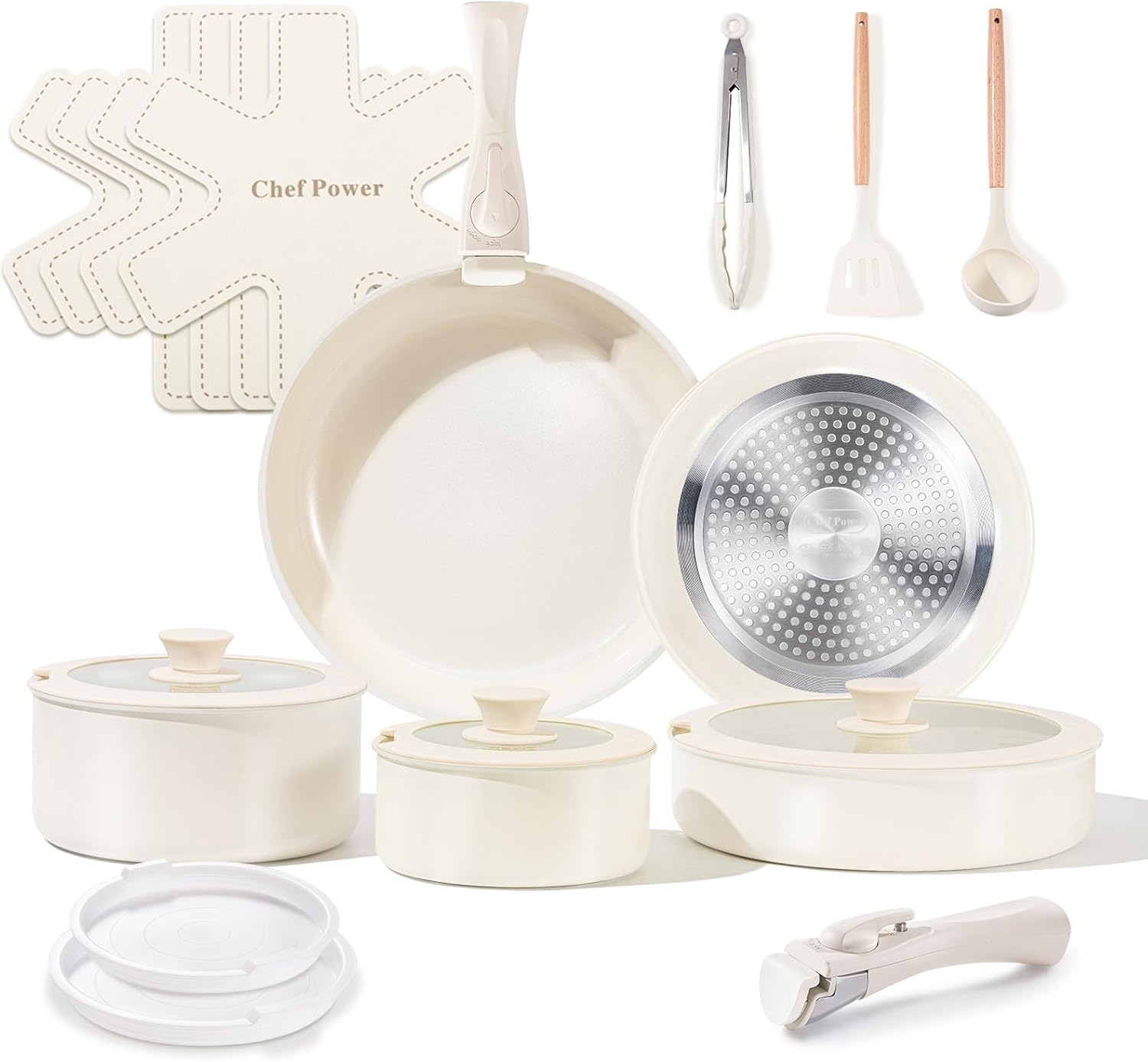
Alright, let’s get cooking! This is where the magic happens, and I promise it’s easier than it sounds. Start by heating up 1 tablespoon of sesame oil in a large pot over medium heat. Once it’s nice and hot, toss in 2 tablespoons of minced garlic and 1 tablespoon of minced ginger. Sauté them until they’re fragrant—oh, the aroma is just divine!
Next, it’s time for the star of the show—add your 1 kg of chicken pieces to the pot. Cook them until they’re golden brown on the outside; this should take about 5-7 minutes. Now, sprinkle in 2 tablespoons of gochugaru and 1 tablespoon of soy sauce. Stir everything together, letting those flavors mingle!
Now, toss in 1 sliced onion, 2 sliced carrots, and 2 cubed potatoes. Mix well, and then pour in just enough water to cover all the ingredients. Bring it to a boil, and then lower the heat to a gentle simmer. This is the part where you can relax—let it simmer for about 30 minutes so all the flavors can meld beautifully.
Just before serving, add 2 chopped green onions for that fresh pop of flavor. And there you have it! A steaming pot of Korean spicy chicken stew ready to be devoured. Enjoy every spoonful!
Why You’ll Love This Recipe
It’s a one-pot wonder, making cleanup a breeze!
Rich, bold flavors that bring a taste of Korea right to your kitchen.
Quick to prepare, with a total time of just 45 minutes.
Loaded with nutritious veggies, making it a wholesome meal.
Customizable spice levels—make it as mild or fiery as you like!
Perfect for sharing with family and friends at the dinner table.
Leftovers taste even better the next day, if there are any!
Trust me, once you try this dish, you’ll be hooked on its warmth and flavor!
Tips for Success
Let’s make sure your Korean spicy chicken stew turns out absolutely perfect! First off, if you’re not a huge fan of spice, start with just 1 tablespoon of gochugaru and adjust to your taste. You can always add more if you want that kick! When cooking the chicken, make sure it’s cooked through and reaches an internal temperature of 165°F (75°C) for safety.
For serving, I love pairing this stew with fluffy rice to soak up all that delicious broth. You can also add a sprinkle of sesame seeds or a drizzle of extra sesame oil right before serving for that extra flavor boost. Enjoy your culinary adventure!
Variations
The beauty of my Korean spicy chicken stew is how adaptable it is! Feel free to switch up the vegetables based on what you have on hand. Broccoli, bell peppers, or even mushrooms can add a delicious twist. If you want to adjust the spice, try using less gochugaru or add a dollop of honey to balance the heat. For protein options, swap the chicken for tofu or beef if you’re in the mood for something different. You can even make it a seafood stew by tossing in shrimp or fish! The possibilities are endless, so get creative and make it your own!
Nutritional Information
When enjoying my Korean spicy chicken stew, you can feel good about what you’re eating! Here are the estimated nutritional values per serving, based on standard ingredient measurements:
Calories: 350
Fat: 10g
Saturated Fat: 2g
Unsaturated Fat: 8g
Cholesterol: 70mg
Sodium: 800mg
Carbohydrates: 40g
Fiber: 5g
Sugar: 3g
Protein: 25g
This stew is not only delicious but also packed with nutrients to keep you energized. Enjoy every bite knowing it’s a wholesome part of your meal!
FAQ Section
Got questions about my Korean spicy chicken stew? I’ve got answers! If you’re wondering about ingredient substitutions, you can easily swap chicken for tofu or beef, and feel free to use whatever veggies you have on hand. For storage, keep any leftovers in an airtight container in the fridge for up to 3 days. Reheat gently on the stove to preserve the flavors. As for serving, this stew pairs perfectly with fluffy white rice or even noodles for a twist. You can also garnish with sesame seeds or fresh herbs to elevate it. Enjoy!
Storage & Reheating Instructions
To store your delicious Korean spicy chicken stew, let it cool completely before transferring it to an airtight container. It’ll keep well in the fridge for up to 3 days—perfect for those busy weeknights when you want a quick meal! If you want to save it for later, you can freeze the stew for up to 2 months. Just make sure to label it with the date so you know when it was made.
When you’re ready to enjoy your leftovers, reheat gently on the stovetop over medium heat, stirring occasionally until heated through. If it seems a bit thick, you can add a splash of water or broth to loosen it up. Trust me, it’ll taste just as good as when you first made it!
I share easy, flavorful recipes that make home cooking simple, fun, and totally satisfying. Let's get in the kitchen and create something delicious together!




What do you think?
Share your thoughts, tips, or variations on this recipe!