When autumn rolls around, the flavor of pumpkin dominates everything from coffee to cookies. But one underrated gem in the healthy food world is Pumpkin Chia Pudding — a creamy, nutrient-packed treat that doubles as breakfast or dessert. Whether you’re into meal prepping or looking for a gut-friendly, omega-3-rich option, this pudding checks all the boxes. In this article, we’ll explore everything from health benefits, recipe instructions, creative variations, and frequently asked questions — all while following Rank Math SEO best practices.
Let’s jump into the health benefits and why this pudding deserves a spot in your weekly meal plan.
Health Benefits of Pumpkin Chia Pudding
Nutritional Breakdown of Pumpkin and Chia Seeds
Pumpkin and chia seeds are a powerhouse duo. Pumpkin is rich in vitamin A, beta-carotene, potassium, and fiber. Just one cup of canned pumpkin gives you more than 200% of your daily vitamin A needs. Combine that with chia seeds, which are loaded with omega-3 fatty acids, protein, antioxidants, and fiber — and you’ve got a nutrient-dense combo that supports everything from heart health to immunity.
Top Health Advantages of Eating Them Together Daily
Promotes digestion: The fiber from both pumpkin and chia helps regulate your gut.
Boosts immunity: Thanks to the high vitamin A and antioxidant content.
Fuels metabolism: Healthy fats and plant-based protein keep your energy up.
Supports weight management: The high fiber content helps keep you full longer.
Balances blood sugar: Especially helpful for those watching glycemic response.
The combo isn’t just delicious — it’s functional. Adding pumpkin chia pudding to your routine is a tasty way to fortify your diet with clean, plant-based nutrition.
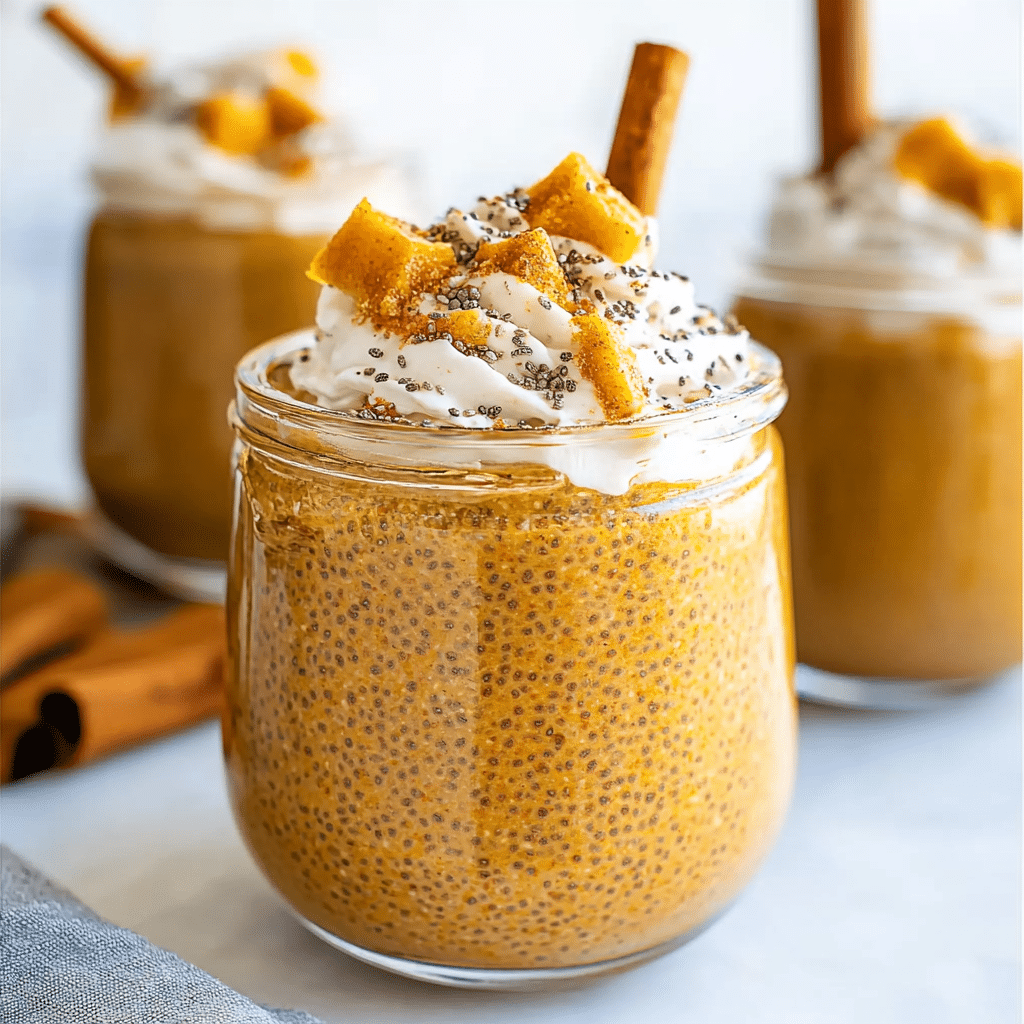
Pumpkin Chia Pudding is a creamy, spiced, and nutrient-rich breakfast or dessert made with wholesome ingredients like pumpkin puree, chia seeds, and almond milk. Perfect for meal prep, it’s packed with fiber, omega-3s, and plant-based protein — keeping you full and energized for hours.
Ingredients
Scale
½ cup pumpkin puree (unsweetened)
2 tablespoons chia seeds
1 cup almond milk (or milk of choice)
1–2 teaspoons maple syrup (optional)
½ teaspoon pumpkin pie spice (or mix of cinnamon, nutmeg, and cloves)
In a bowl or jar, combine pumpkin puree, chia seeds, almond milk, pumpkin pie spice, maple syrup, vanilla extract, and a pinch of salt.
Stir well (or shake the jar) until everything is combined. Let it sit for 5 minutes, then stir again to prevent clumping.
Cover and refrigerate for at least 4 hours — overnight is ideal.
Stir again before serving. Add a splash of milk if too thick, or a bit more chia if too thin and wait 15 minutes.
Top with your favorite toppings and enjoy!
Notes
Use organic canned pumpkin puree (not pie filling) for best flavor and consistency. Store in mason jars for up to 5 days in the fridge. Rotate toppings to keep it exciting.
Let’s face it — most breakfast options spike your blood sugar and leave you hungry by 10 a.m. Not pumpkin chia pudding. Thanks to its fiber and healthy fat combo, it keeps you full and satisfied much longer than cereal or toast.
Chia seeds swell to over 10x their size, forming a gel-like consistency that slows digestion.
Pumpkin is rich in fiber and low in sugar, which helps regulate blood sugar naturally.
The combination fuels satiety and helps reduce unnecessary snacking.
This means more stable energy levels throughout the morning — no crashes, no cravings. It’s ideal for those looking to lose weight or manage blood sugar.
With just one serving of pumpkin chia pudding, you’re fueling your body with:
Long-lasting energy from omega-3 fatty acids
Slow-digesting carbs from pumpkin
Complete plant protein from chia
Hydration support thanks to chia’s water-retaining properties
This makes it a smart choice for athletes, busy moms, office workers, and students alike. Whether you’re rushing to a meeting or prepping for the gym, this pudding is your breakfast ally.
Plus, if you make it the night before, it’s totally grab-and-go.
Ingredients Breakdown – What Goes Into a Perfect Pumpkin Chia Pudding
Best Milk Options: Almond, Oat, Coconut, or Dairy
The milk you use in your pumpkin chia pudding can make or break both taste and nutrition. While any milk technically works, the type you choose affects the texture, flavor, and dietary compatibility.
Here’s a quick guide:
Milk Type
Taste Profile
Best For
Notes
Almond Milk
Light, nutty
Low-calorie diets
Great neutral base
Coconut Milk
Rich, creamy
Keto, dairy-free lovers
Adds subtle tropical notes
Oat Milk
Naturally sweet
Vegan + dairy-free fans
Creamy and high in fiber
Cow’s Milk
Classic & rich
High-protein preferences
Not suitable for vegans
Pro Tip: Go unsweetened to control sugar levels — especially if you’re topping it later with maple syrup or fruit.
Pumpkin Puree vs. Fresh Pumpkin: Which to Choose?
You might think fresh pumpkin is always better, but when it comes to pudding, pumpkin puree wins almost every time. Here’s why:
Pumpkin puree is consistent, shelf-stable, and already cooked.
Fresh pumpkin requires roasting, blending, and draining — it’s time-consuming and can vary in moisture.
If you’re going for convenience and flavor, use organic canned pumpkin puree (not pumpkin pie filling, which contains added sugar and spices).
½ teaspoon pumpkin pie spice (or mix of cinnamon, nutmeg, and cloves)
¼ teaspoon vanilla extract
Pinch of sea salt
Optional toppings:
Sliced banana
Pumpkin seeds (pepitas)
Coconut yogurt
Crushed nuts
Cinnamon dust
Equipment Needed:
Mixing bowl or mason jar
Spoon or whisk
Refrigerator
Step-by-Step Directions with Make-Ahead Tips
Step 1: Mix the Base In a bowl or jar, combine pumpkin puree, chia seeds, almond milk, pumpkin pie spice, maple syrup, vanilla extract, and a pinch of salt.
Step 2: Stir and Wait Stir well (or shake the jar) until everything is combined. Let it sit for 5 minutes, then stir again to prevent clumping.
Step 3: Refrigerate Cover and refrigerate for at least 4 hours — overnight is ideal. The chia seeds will absorb the liquid and create a thick, pudding-like consistency.
Step 4: Stir Before Serving Give it a good mix before serving. If it’s too thick, stir in a splash of milk. If too thin, add a bit more chia and let sit 15 minutes longer.
Step 5: Add Toppings and Enjoy! Layer with your favorite toppings like banana slices, a spoonful of yogurt, a sprinkle of pepitas, or a drizzle of maple syrup.
Common Mistakes to Avoid with Pumpkin Chia Pudding
What Not to Mix with Chia Seeds
Even though chia seeds are extremely versatile, there are a few ingredients you should avoid combining them with — especially in puddings.
Highly acidic liquids (like lemon or vinegar-based blends): These can interfere with the gelling process and make the pudding too runny or sour.
Too little liquid: Chia seeds need adequate liquid to swell. A general rule is 1 tablespoon of chia seeds per ½ cup of liquid. Anything less can result in a gritty, dry texture.
Dry ingredients that soak liquid (like oats or protein powder): These may compete with the chia for moisture, making the pudding clumpy or overly thick.
Pre-sweetened dairy or nut milks: These may make your pudding too sweet or mask the pumpkin flavor. Always opt for unsweetened varieties.
Why Texture Matters and How to Fix It
Texture is everything with chia pudding. When it’s off, it’s either:
Yes — pumpkin chia pudding is safe to enjoy daily for most people. In fact, it can be a cornerstone of a balanced diet when portioned right and made with clean ingredients.
Why it’s okay to eat every day:
High in fiber: Great for digestion and gut health
Rich in omega-3s: Supports heart and brain function
Low in sugar (when made right): Keeps blood sugar in check
Anti-inflammatory properties: Thanks to pumpkin’s antioxidants
That said, moderation still matters. Too much chia (over 3 tablespoons daily) can cause bloating for some due to its high fiber content.
Pro tip: Rotate your toppings and milk bases to avoid taste fatigue and ensure nutrient variety.
Pumpkin vs. Chocolate, Coconut, Coffee, or Vanilla Chia
There’s a chia pudding for every taste — but how does pumpkin chia pudding measure up against popular alternatives like chocolate, vanilla, or coconut?
Here’s a side-by-side breakdown:
Type
Flavor Profile
Best Season
Nutrition Boost
Pumpkin
Warm, spiced, earthy
Fall
High vitamin A & fiber
Chocolate
Rich, indulgent
Year-round
Antioxidants from cocoa
Coconut
Creamy, tropical
Summer
Healthy fats & iron
Coffee
Bold, energizing
All year
Natural caffeine boost
Vanilla
Simple, adaptable
Anytime
Versatile & low sugar
Pumpkin chia pudding brings something unique — it’s seasonal, comforting, and blends beautifully with spices like cinnamon, nutmeg, and cloves. It’s also one of the lowest-sugar options when done right.
Flavor tip: Add a pinch of black pepper or turmeric to enhance the pumpkin’s anti-inflammatory benefits.
Yes — chia pudding is loaded with fiber, omega-3s, antioxidants, and plant-based protein. It supports heart health, digestion, and stable blood sugar levels. When made with clean ingredients like pumpkin and almond milk, it’s a nutrient-rich, low-sugar option that fits nearly any diet.
What not to mix with chia seeds?
Avoid mixing chia with:
Too little liquid — it will turn out dry or gritty
Highly acidic ingredients like lemon juice or vinegar
Competing dry ingredients (like oats or protein powder) without adjusting liquid These interfere with the chia gel formation and ruin the texture.
Can we eat pumpkin and chia seeds together?
Absolutely — they’re a superfood duo. Pumpkin adds fiber, beta-carotene, and vitamin A, while chia offers healthy fats, protein, and omega-3s. Together, they make a satisfying, gut-friendly combination ideal for breakfasts or snacks.
Is it okay to eat chia pudding each day?
Yes — for most people, daily chia pudding is safe and beneficial. Just keep portions moderate (1–2 tablespoons of chia per serving) and balance it with a varied diet. Overeating fiber without enough water may cause bloating, so stay hydrated.
Conclusion
Pumpkin chia pudding is more than a seasonal trend — it’s a year-round wellness staple. With its creamy texture, spiced flavor, and powerhouse nutrition, it easily replaces sugary breakfasts or desserts. Whether you’re trying to lose weight, boost energy, or simply enjoy healthier comfort foods, this pudding belongs in your weekly meal prep rotation.
I share easy, flavorful recipes that make home cooking simple, fun, and totally satisfying. Let's get in the kitchen and create something delicious together!






What do you think?
Share your thoughts, tips, or variations on this recipe!