Craving a cake that’s rich, moist, and packed with flavor? A chocolate coconut cake might be exactly what your dessert dreams are made of. This tropical-inspired dessert blends the deep, indulgent taste of chocolate with the light, nutty sweetness of coconut for a flavor duo that feels like a beachside escape. Whether you’re baking for a holiday, a birthday, or simply because your sweet tooth demands attention, this cake delivers comfort and decadence in every bite.
In this article, we’ll take a deep dive into why chocolate and coconut make such a magical pair, how to make this cake from scratch, the best ingredients to use, expert baking tips, and even the story behind the famous Tom Cruise coconut cake. Along the way, we’ll explore tasty variations, presentation tips, and answers to your top coconut cake questions.
What Makes Chocolate and Coconut the Perfect Pair?
The combination of chocolate and coconut isn’t just popular—it’s chemically compatible. Chocolate offers a rich, slightly bitter depth due to its cacao content, while coconut brings sweetness, texture, and natural oils that enhance chocolate’s flavor. The balance of these two ingredients creates contrast and harmony in one bite.
This flavor marriage works particularly well in baked goods because of how they interact when heated. The cocoa sharpness mellows, the coconut’s aroma intensifies, and the result is a cake that feels indulgent but not overly heavy.
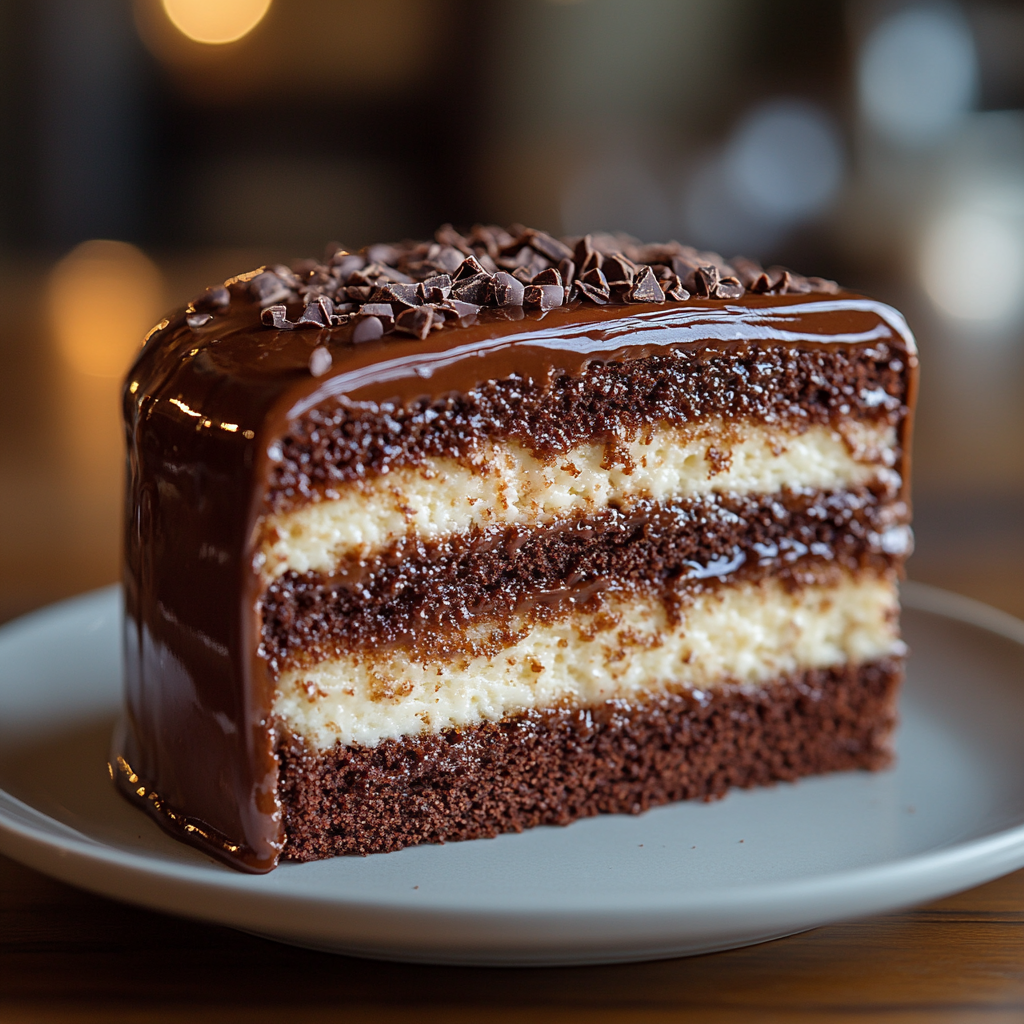
When you combine moist chocolate sponge with creamy coconut frosting or toasted flakes, you’re creating a multisensory experience: rich, creamy, chewy, and sweet.
A Quick History of Coconut Cakes with Chocolate Twists
Traditional coconut cake traces back to the American South, where coconut was once a luxury import. Over time, recipes evolved to include chocolate, especially in states where cocoa became more accessible.
The rise of the chocolate coconut combo likely took inspiration from popular candies like Mounds or Almond Joy, which introduced generations to the blissful combo of sweetened coconut and rich chocolate. Today, the chocolate coconut cake is featured across cookbooks, bakeries, and celebrity favorites (more on that in Part 9).
This dessert has traveled the globe—from Germany’s Schoko-Kokos Kuchen to Caribbean coconut cocoa bakes—each version highlighting a different cultural spin on the same mouthwatering duo.
Key Ingredients in a Classic Chocolate Coconut Cake
Core Ingredients: What You Really Need
To make a truly unforgettable chocolate coconut cake, you don’t need dozens of fancy ingredients. You just need the right ones in the right proportions. Here are the essentials every recipe should include:
Ingredient
Purpose
All-purpose flour
The foundation that gives the cake its structure
Unsweetened cocoa powder
Delivers rich chocolate flavor
Baking powder & soda
Help the cake rise and stay fluffy
Salt
Enhances all the other flavors
Eggs
Provide structure and moisture
Sugar (granulated or coconut)
Sweetens and adds texture
Coconut milk or cream
Adds moisture and deep coconut flavor
Shredded or desiccated coconut
For texture and authentic coconut bite
Vegetable oil or coconut oil
Keeps the cake tender and moist
Vanilla extract
Rounds out the flavor profile
Pro Tip: Using canned full-fat coconut milk (not the carton kind) makes a big difference in richness and moisture.
If you’re looking for a more natural or tropical twist, try replacing granulated sugar with coconut sugar. It gives the cake a light caramel-like depth.
Breaking Down the Role of Each Ingredient
Let’s zoom in on how each key component affects the final cake:
1. Chocolate
The soul of the cake. Use high-quality unsweetened cocoa powder for intense flavor. You can also melt in a bit of dark chocolate for extra depth.
2. Coconut
The signature player. Whether you’re using shredded coconut, toasted coconut, or coconut milk, each brings a different texture and layer of flavor. Desiccated coconut adds a chewy bite, while coconut milk creates a soft, silky crumb.
3. Oil or Butter?
While butter adds flavor, coconut oil makes the cake extra moist and naturally reinforces the coconut profile.
4. Sweeteners
Refined white sugar is traditional, but coconut sugar is a lower-glycemic option with richer flavor notes—perfect for those wanting a natural dessert.
5. Eggs & Leaveners
Eggs give the cake structure and bind everything together. The combination of baking powder and baking soda helps the cake rise and stay light even with the richness of the coconut milk.
This ingredient list creates the perfect base for experimentation. Once you’ve mastered it, you can easily customize with additions like chopped nuts, fruit, or even a shot of espresso for a mocha coconut twist.
One of the secrets to an unforgettable chocolate coconut cake lies in how you use coconut. There are several options, each offering unique flavor and texture:
Type of Coconut
Flavor
Texture
Best Use
Shredded coconut
Mild, sweet
Soft, chewy
Mix into batter or use in layers
Desiccated coconut
Neutral
Finely textured
Blend into batter or garnish
Toasted coconut flakes
Nutty, intense
Crunchy
Topping or layer between cakes
Coconut cream/milk
Rich, creamy
Liquid
Moisture in batter or frosting
How to Toast Coconut (Optional but Recommended):
Spread shredded coconut evenly on a baking sheet.
Bake at 325°F (163°C) for 5–7 minutes, stirring occasionally.
Watch closely—coconut can go from golden to burnt fast.
Toasted coconut adds complexity and crunch that balances the moistness of the cake perfectly.
Creating a Moist, Rich Chocolate Base
Let’s walk through the full recipe for a tender, bakery-style chocolate coconut cake.
Ingredients (Makes One 9-inch Two-Layer Cake)
1 ¾ cups all-purpose flour
¾ cup unsweetened cocoa powder
1 ½ tsp baking powder
1 tsp baking soda
½ tsp salt
1 cup coconut milk (full-fat, canned)
½ cup vegetable oil or melted coconut oil
1 ½ cups sugar (white or coconut sugar)
2 large eggs
1 tsp vanilla extract
1 cup shredded or desiccated coconut
Optional: ½ cup strong brewed coffee (enhances chocolate flavor)
Instructions
Step 1: Preheat & Prep
Preheat your oven to 350°F (175°C).
Grease and line two 9-inch round cake pans with parchment paper.
Step 2: Mix Dry Ingredients
In a large bowl, sift together flour, cocoa powder, baking powder, baking soda, and salt.
Step 3: Combine Wet Ingredients
In another bowl, whisk together coconut milk, sugar, eggs, oil, and vanilla.
Step 4: Combine Mixtures
Slowly add dry ingredients to the wet mixture while mixing gently.
Stir in shredded coconut. If using coffee, mix it in last.
Step 5: Bake
Divide batter evenly between pans.
Bake for 30–35 minutes, or until a toothpick comes out clean.
Frosting and Toppings for a Chocolate Coconut Cake
Coconut Buttercream vs Chocolate Ganache
When it comes to frosting a chocolate coconut cake, the choice between coconut buttercream and chocolate ganache often defines the cake’s final flavor profile and visual appeal.
Coconut Buttercream Frosting
Light, creamy, and tropical, this frosting enhances the coconut elements in your cake.
Ingredients:
1 cup unsalted butter (room temperature)
3 ½ cups powdered sugar
¼ cup canned coconut cream
1 tsp vanilla extract
Pinch of salt
Optional: ½ cup shredded coconut for texture
Instructions:
Beat butter until light and fluffy (about 3–5 minutes).
Gradually add powdered sugar, mixing well.
Add coconut cream and vanilla. Beat until smooth.
Optional: Fold in shredded coconut for a textured finish.
This frosting is perfect if you’re going for a full-on tropical flavor explosion. It also pairs well with toasted coconut on top for extra crunch.
Chocolate Ganache Topping
Looking for something richer and smoother? Chocolate ganache adds shine and indulgence.
Ingredients:
8 oz dark or semi-sweet chocolate (chopped)
1 cup coconut cream or heavy cream
1 tbsp butter (optional, for gloss)
Instructions:
Heat coconut cream just until it begins to simmer.
Pour over chopped chocolate and let sit for 1 minute.
Stir until smooth and glossy.
Let it cool slightly before pouring over the cake.
Tip: Use ganache if you want an elegant, glossy finish with intense chocolate flavor.
Best Topping Ideas: Toasted Coconut, Drizzled Chocolate & More
Whether you’re going for a rustic look or a bakery-style presentation, toppings make a big difference. Here are a few you can mix and match:
Topping
What It Adds
Toasted coconut flakes
Nutty aroma, crunchy texture
Drizzled dark chocolate
Bold contrast and visual drama
Chopped almonds
Crunchy, adds a “Mounds/Almond Joy” vibe
White chocolate shavings
Sweetness and elegance
Coconut whipped cream
Light, airy topper perfect for warm days
Fresh raspberries
Tartness to cut through the richness
You can also go for layered toppings. For instance:
Baking Tips for the Perfect Chocolate Coconut Cake
How to Keep the Cake Moist and Fluffy
Even with the right ingredients, a chocolate coconut cake can turn out dry or dense if you’re not careful. Moisture is key, especially when working with coconut, which can absorb liquid quickly.
1. Don’t Overmix the Batter
Once the dry ingredients are added, gently mix just until combined. Overmixing activates the gluten, making your cake tough instead of tender.
2. Use Full-Fat Coconut Milk or Cream
Always opt for full-fat canned coconut milk. The fat content ensures your cake stays rich and moist from the inside out. Shake the can before opening for even consistency.
3. Add Extra Moisture with Oil
Unlike butter, oil stays liquid at room temperature, making cakes extra soft. A combo of coconut oil and vegetable oil works well here.
4. Try the Buttermilk Hack (if skipping coconut milk)
Mix 1 tablespoon of vinegar or lemon juice into 1 cup of milk and let it sit for 10 minutes. This creates a DIY buttermilk that keeps the cake light and airy.
5. Don’t Skip the Rest Time
Let your cake cool completely in the pans for 10–15 minutes before transferring to a wire rack. Cooling helps the structure set and retains moisture.
Oven Temperatures, Baking Time, and Layer Techniques
Perfect baking starts with the right setup. Here’s how to get consistent results every time:
Step
Best Practice
Oven temp
Preheat to 350°F (175°C) for even baking
Baking time
Bake for 30–35 mins, checking at 28 mins with toothpick
Pan size
Use 9-inch round pans for perfect layers
Greasing pans
Use butter + parchment for easy release
Layer leveling
Trim dome tops with a serrated knife for stackable layers
Bonus Tip: Use a digital oven thermometer to ensure your oven’s temperature is accurate—many ovens run hotter or colder than the dial shows.
Want that bakery-level softness? Wrap cake layers in plastic wrap while still slightly warm and refrigerate. This locks in moisture before frosting.
Choosing the right type of chocolate can completely change the personality of your chocolate coconut cake. Coconut is a surprisingly flexible flavor—it pairs beautifully with all kinds of chocolate, but each combo creates a unique dessert experience.
Let’s break down the major types:
Type of Chocolate
Flavor Profile
Best Match With Coconut
Dark Chocolate
Bold, slightly bitter, intense cacao
Complements the sweetness of coconut perfectly
Milk Chocolate
Creamy, sweet, smooth
Great for a softer, more crowd-pleasing flavor
White Chocolate
Very sweet, buttery, rich in cocoa butter
Contrasts well with toasted or unsweetened coconut
Best Overall Pairing:
If you’re aiming for a classic tropical indulgence, dark chocolate is your best bet. The slight bitterness of cocoa cuts through the richness of coconut, giving the cake a deep, balanced taste.
If you want something more playful or kid-friendly, go for milk chocolate—especially if you’re using sweetened coconut in the batter or frosting.
White chocolate + toasted coconut = dangerously good. Use it as a topping or filling if you’re going for a rich, creamy experience.
Coconut contains natural fats and oils that act as flavor amplifiers. When paired with chocolate, especially dark chocolate, these oils carry and extend the flavor on your palate, making every bite feel more satisfying.
There’s also a textural contrast that plays beautifully:
Coconut is chewy or crunchy (depending on preparation)
Chocolate is creamy or fudgy
This creates a dynamic experience with each bite—no monotony here.
How to Combine Them for Best Effect:
Use dark chocolate in the batter, milk chocolate in the frosting, and toasted coconut on top.
Or try a layered filling of white chocolate ganache and coconut cream between cakes for a surprise twist.
Gluten-Free and Vegan Chocolate Coconut Cake Options
You don’t need eggs, dairy, or gluten to enjoy a rich, decadent chocolate coconut cake. With just a few smart swaps, you can make a version that’s just as moist and satisfying—and better suited for dietary needs.
Vegan Chocolate Coconut Cake
Here’s how to keep it plant-based:
Ingredient to Replace
Swap With
Eggs
2 tbsp ground flaxseed + 6 tbsp water (let sit 10 min)
Milk
Full-fat canned coconut milk
Butter
Coconut oil or vegan butter
Chocolate
Dairy-free dark chocolate or cocoa powder
This version still gives you a rich, moist crumb thanks to the coconut milk and oil, while the flax eggs provide the structure needed to hold the cake together.
Gluten-Free Chocolate Coconut Cake
Here’s how to go wheat-free without losing that soft texture:
Replace all-purpose flour with a 1:1 gluten-free baking flour mix.
Add 1 tsp xanthan gum if your GF blend doesn’t include it—this helps bind the cake.
Coconut flour on its own won’t work as a direct substitute (it’s too absorbent), but a small amount can be added to boost coconut flavor.
Pro Tip: Always sift gluten-free flour before use—it tends to clump, which affects the rise and texture of the cake.
Easy Substitutions: Coconut Oil, Coconut Sugar, and More
Want to experiment or use what you already have in your pantry? Here are smart substitutions that keep the coconut-chocolate magic going:
1. Coconut Oil vs Vegetable Oil
Coconut oil adds subtle coconut flavor and richness. It’s a great way to reinforce the coconut profile, especially if you’re not using coconut milk.
2. Coconut Sugar vs White Sugar
Coconut sugar has a lower glycemic index and a mild caramel-like taste. It darkens the cake slightly and pairs beautifully with chocolate.
3. Almond Flour for Texture
Add up to ¼ cup almond flour for a nuttier bite and denser crumb. It works especially well with milk chocolate coconut cake.
4. Espresso Powder (for Choco Lovers)
Adding 1 tsp of espresso powder to your batter will intensify the chocolate flavor without making the cake taste like coffee.
These variations allow you to personalize your chocolate coconut cake based on your diet, taste preference, or even what you have on hand.
This rich and moist Chocolate Coconut Cake combines deep cocoa flavor with tropical coconut sweetness—perfect for holidays, birthdays, or any time your dessert cravings strike.
Ingredients
Scale
1 ¾ cups all-purpose flour
¾ cup unsweetened cocoa powder
1 ½ tsp baking powder
1 tsp baking soda
½ tsp salt
1 cup full-fat coconut milk (canned)
½ cup vegetable oil or melted coconut oil
1 ½ cups sugar (white or coconut sugar)
2 large eggs
1 tsp vanilla extract
1 cup shredded or desiccated coconut
Optional: ½ cup strong brewed coffee
Instructions
Preheat oven to 350°F (175°C). Grease and line two 9-inch round cake pans with parchment paper.
In a large bowl, sift together flour, cocoa powder, baking powder, baking soda, and salt.
In a separate bowl, whisk coconut milk, sugar, eggs, oil, and vanilla extract until well combined.
Gradually mix dry ingredients into the wet ingredients. Stir in shredded coconut and optional coffee if using.
Divide batter evenly between prepared pans. Bake for 30–35 minutes, or until a toothpick comes out clean.
Let cakes cool completely before frosting with coconut buttercream or chocolate ganache.
Notes
For extra flavor and texture, toast your coconut before adding as a topping. Using full-fat coconut milk makes the cake extra rich and moist.
What Is a Tom Cruise Coconut Cake – And Why Is It Famous?
You might be surprised to hear that one of Hollywood’s most iconic stars is also behind one of the most talked-about desserts in celebrity circles: the Tom Cruise coconut cake.
Here’s the scoop:
Every year around the holidays, Tom Cruise reportedly sends out a White Chocolate Coconut Bundt Cake from Doan’s Bakery in California to his close friends, co-stars, and industry insiders. The cake has become so famous, it’s earned the nickname:
“The Tom Cruise Cake.”
It’s known for being ultra-moist, rich with coconut flavor, and covered in a thick white chocolate frosting with toasted coconut flakes.
Some celebs who’ve raved about it include:
Tom Hanks
Kirsten Dunst
James Corden
Angela Bassett
So while it’s technically white chocolate coconut, the flavor profile proves how powerful the chocolate-coconut pairing can be—even without cocoa in the batter.
This annual cake gift is more than a dessert—it’s a Hollywood tradition.
How Different Cultures Combine Chocolate and Coconut in Desserts
While chocolate coconut cake is especially beloved in the U.S., it has global cousins with equally mouthwatering combinations.
1. Germany – Schoko-Kokos Kuchen
A dense chocolate loaf with shredded coconut mixed directly into the batter. Usually topped with a dark chocolate glaze and more coconut sprinkles.
2. Philippines – Bibingka Variants
Some regional recipes mix cocoa powder with the traditional coconut milk base, baking it in banana leaves for an earthy, soft texture.
3. Brazil – Bolo de Prestígio
One of the most popular birthday cakes in Brazil, it features layers of moist chocolate cake filled with sweetened coconut cream and topped with chocolate ganache.
4. India – Chocolate Coconut Ladoo
These are bite-sized, no-bake desserts made with condensed milk, cocoa, and shredded coconut. Super easy and great for festivals.
Across cultures, coconut adds texture, flavor, and tropical flair to chocolate desserts—and it never misses.
Frequently Asked Questions About Chocolate Coconut Cake
Do coconut and chocolate go together?
Yes, coconut and chocolate are a match made in dessert heaven. Coconut’s sweet, nutty flavor enhances the depth of chocolate, especially dark varieties. The contrast in texture—chewy coconut and creamy chocolate—makes them ideal baking partners.
What is a Tom Cruise coconut cake?
It’s a white chocolate coconut bundt cake from Doan’s Bakery that actor Tom Cruise sends to friends every holiday season. This rich cake is covered in white chocolate frosting and toasted coconut and has become a Hollywood legend.
What are the 4 ingredients in coconut cake?
At its simplest, a basic coconut cake can be made with:
Coconut milk
Flour
Sugar
Eggs Many recipes also include shredded coconut, vanilla, and baking powder for flavor and structure.
Which chocolate pairs best with coconut?
Dark chocolate pairs best due to its deep, slightly bitter taste, which complements coconut’s natural sweetness. However, milk and white chocolates also work well, depending on whether you want a richer or creamier dessert.
Conclusion
The chocolate coconut cake is more than just a dessert—it’s a celebration of texture, flavor, and tropical comfort. Whether you stick with a classic two-layer version or experiment with vegan, gluten-free, or ganache-topped twists, this cake will never disappoint. Its rich history, versatile nature, and star-studded fame (we’re looking at you, Tom Cruise) prove that this flavor duo is here to stay.
Ready to bake your masterpiece? Just follow the tips, mix up the layers, toast that coconut, and enjoy every bite.
I share easy, flavorful recipes that make home cooking simple, fun, and totally satisfying. Let's get in the kitchen and create something delicious together!






What do you think?
Share your thoughts, tips, or variations on this recipe!