Looking for a simple, natural way to stay hydrated, boost digestion, and even support weight loss? Chia seed water might just be the super drink you’ve been missing. Made by soaking chia seeds in water, this easy-to-make beverage packs a nutritional punch thanks to its rich content of fiber, antioxidants, and essential fatty acids.
In this guide, we’ll explore everything you need to know about chia seed water—from its nutritional makeup and scientifically-backed benefits to potential side effects and easy recipes. Whether you want to start your day with chia detox water or simply add it to your daily routine, we’ve got you covered.
Looking for inspiration? Try this list of other hydrating superfood drinks on Family Recipes Ideas.
What Is Chia Seed Water?
What is chia seed water made of?
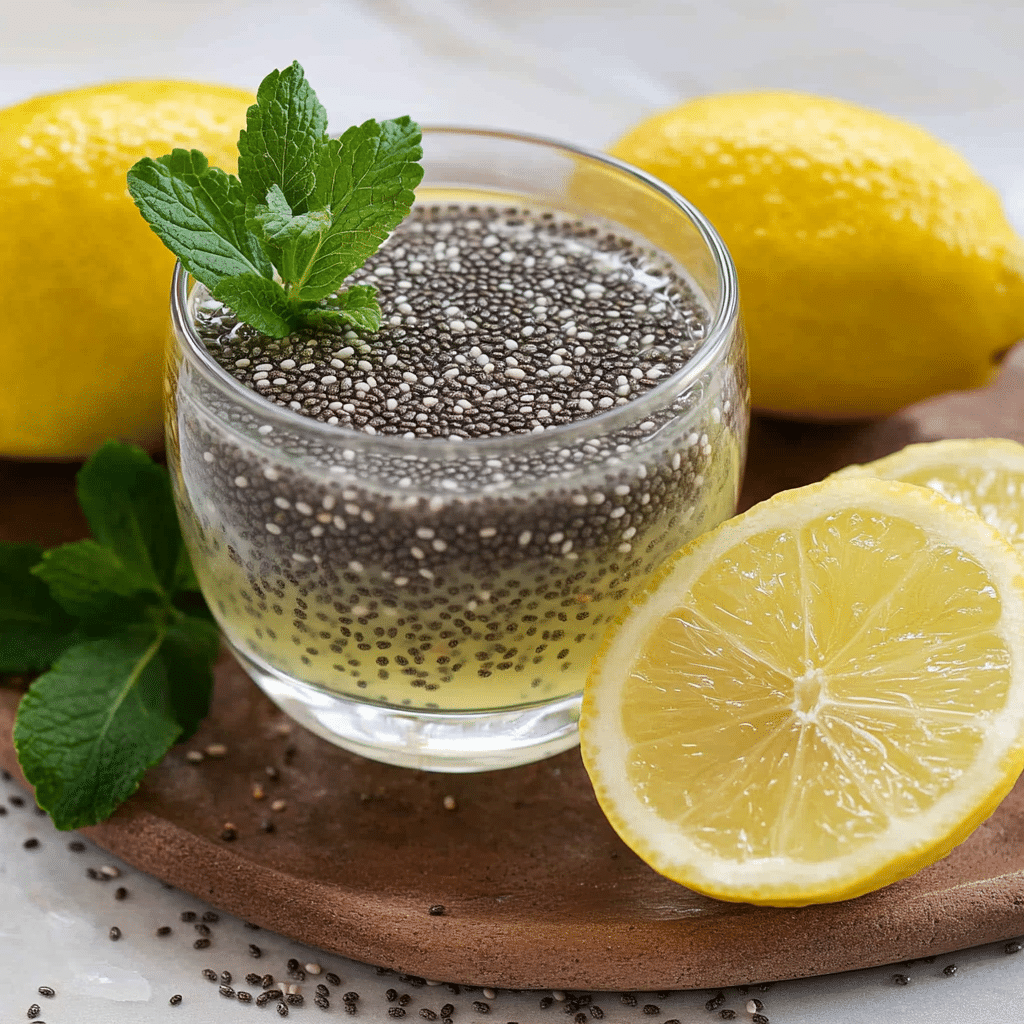
Chia seed water is exactly what it sounds like: chia seeds soaked in water. When these tiny black or white seeds are submerged in water, they absorb up to 12 times their weight in liquid, forming a gel-like coating. This turns the mixture into a slightly thick, jelly-like drink that’s packed with fiber and nutrients.
To make it, you typically use a ratio of 1 tablespoon of chia seeds to 1 cup of water, allowing it to sit for at least 10–15 minutes so the seeds expand fully.
How do chia seeds behave in water?
When chia seeds meet water, they undergo a process called gelation. Their outer layer is rich in soluble fiber, which reacts with water to form a gel-like texture. This not only makes the drink easier to consume but also slows down digestion and sugar absorption in your body—benefits that we’ll explore in later sections.
Here’s a quick look at what happens in a visual way:
Property
Before Soaking
After Soaking
Size
Tiny, hard, dry seeds
Swollen, soft gel-like
Appearance
Dry black/white seeds
Jelly-coated, translucent
Digestibility
Lower
Higher
Water Absorption
Minimal
Up to 12x water weight
This transformation is what makes chia seed water so beneficial for hydration and digestion. It’s one of the few drinks that offer both hydration and fiber, two essentials often lacking in the average American diet.
Before you pour a glass of chia seed water, it helps to understand what makes chia seeds such a nutritional powerhouse. These tiny seeds are surprisingly dense in nutrients—meaning even a small serving delivers impressive health benefits.
Here’s what you get in 1 tablespoon (12g) of chia seeds:
Nutrient
Amount per 12g
Calories
58
Fiber
4.8g
Protein
2g
Omega-3 Fatty Acids
2.5g
Calcium
77mg
Magnesium
40mg
Phosphorus
95mg
Antioxidants
High
Chia seeds are high in fiber, omega-3 fatty acids, and plant-based protein, all of which contribute to better digestive health, heart health, and overall energy levels. They’re also a good source of calcium, magnesium, and phosphorus—key minerals for bone strength.
Hydration and soluble fiber explained
Chia seeds are uniquely hydrating. Thanks to their soluble fiber content, they form a gel when soaked, trapping water in a way that helps your body retain moisture longer. This makes chia seed water excellent for hydration, especially after workouts or first thing in the morning.
The soluble fiber in chia also plays a critical role in digestive health. It:
Moreover, omega-3s in chia seeds support brain function, reduce inflammation, and may lower the risk of heart disease—making chia seed water more than just a trendy drink.
Top Chia Seed Water Benefits
Weight loss and appetite suppression
One of the most talked-about benefits of chia seed water is its ability to support weight loss naturally. The high fiber content in chia seeds slows digestion and expands in your stomach, helping you feel fuller for longer. This means fewer cravings and smaller portions throughout the day.
But it’s not just about fullness. Chia seed water may also:
Curb late-night snacking
Reduce sugar cravings due to its stabilizing effect on blood sugar
Promote mindful eating habits by slowing digestion
In a study published by the European Journal of Clinical Nutrition, participants who consumed chia with breakfast experienced reduced hunger and greater feelings of fullness compared to those who didn’t. That’s why many drink chia water 30 minutes before meals to control appetite.
Chia seed water is a triple threat: it hydrates, regulates digestion, and boosts energy—all without caffeine or sugar.
Here’s how:
Hydration: The gel-like texture of soaked chia seeds helps retain water in your system, keeping you hydrated longer than plain water.
Digestion: The soluble fiber in chia supports regularity, reduces bloating, and acts as a prebiotic—fuel for your good gut bacteria.
Energy: Chia seeds are rich in omega-3s and slow-digesting carbs, which provide a steady stream of energy without spikes or crashes.
That’s why chia seed water is often referred to as “runner’s fuel”—a natural energy drink used by endurance athletes. It’s no surprise that ancient Aztec warriors also consumed chia for strength and stamina.
Don’t miss our DIY energy drink recipes made with whole superfoods at Family Recipes Ideas.
Side Effects and Precautions
Common side effects of chia seed water
While chia seed water offers many health benefits, it’s important to be aware of potential side effects—especially if you’re new to consuming chia seeds or consuming them in high amounts.
Here are some common side effects to watch for:
Digestive discomfort: Due to their high fiber content, chia seeds can cause bloating, gas, or cramping, especially if you don’t drink enough water.
Choking hazard: If chia seeds aren’t properly soaked before drinking, they may swell in the throat and cause difficulty swallowing.
Allergic reactions: Rare, but some people may be sensitive to chia, experiencing symptoms like rashes or itching.
Medication interaction: Chia seeds may lower blood pressure or thin the blood, which could interfere with medications like anticoagulants or hypertension drugs.
Always start with a small amount of chia seed water (e.g., 1 teaspoon of seeds in 8 oz water), then gradually increase as your body adjusts.
Discover great ideas like how to safely incorporate chia into other healthy drinks at Family Recipes Ideas.
Who should avoid chia seed water?
While chia seed water is generally safe for most people, certain individuals should use caution or consult with a healthcare provider before making it a daily habit:
People with swallowing difficulties or history of esophageal issues
Those with a sensitive digestive system or frequent bloating
People on blood pressure or blood thinning medications
Anyone with known seed allergies, particularly to sesame or mustard (due to potential cross-reactivity)
Pregnant and breastfeeding women can usually enjoy chia seed water, but it’s always smart to consult a doctor for personalized advice.
When consumed responsibly, chia seed water is safe and beneficial, but moderation is the key to avoiding unwanted side effects.
How to Make Chia Seed Water at Home
Simple chia seed water recipe
Making chia seed water is incredibly easy and budget-friendly. You don’t need any fancy equipment or exotic ingredients—just chia seeds, water, and patience. Here’s a basic recipe you can follow:
Basic Chia Seed Water Recipe
Ingredients
Amount
Chia seeds
1 tablespoon
Water (room temp)
1 cup (8 oz)
Optional: lemon/lime
1–2 slices or 1 tsp
Many health enthusiasts prefer drinking chia water first thing in the morning with lemon juice, as it kickstarts digestion and hydrates the body after sleep.
If you’re using it for weight loss, drinking it before meals can help reduce calorie intake by making you feel full sooner.
Chia Seed Water for Weight Loss
How chia helps reduce hunger and fat
Chia seed water is a smart, natural way to manage weight. Its fiber expands in your stomach, helping you feel full longer and curb unnecessary snacking.
Here’s why it works:
Slows digestion and reduces appetite
Balances blood sugar to cut sugar cravings
Offers steady energy without spikes
Fewer calories in meals when taken before eating
Chia’s omega-3s also support fat burning and reduce inflammation—two keys to long-term weight control.
Start small—1 tablespoon of chia seeds per day is enough to see results. And always drink plenty of water throughout the day to stay hydrated.
Chia Water on an Empty Stomach: Good or Bad?
Benefits of drinking chia seed water in the morning
Starting your day with chia seed water on an empty stomach can kickstart digestion, boost hydration, and help balance your energy levels. Many health-conscious people use it as a natural detox drink to begin the morning.
Here’s what makes it effective in the morning:
Hydrates after sleep: After 7–8 hours without water, your body needs hydration. Chia water replenishes fluids and retains moisture longer due to its gel texture.
Activates digestion: The fiber stimulates bowel movements, making it a gentle morning cleanse.
Fights morning cravings: Fiber expands in your stomach, reducing early hunger pangs and preventing overeating at breakfast.
Supports brain and focus: The omega-3s in chia nourish the brain and may improve focus throughout the day.
Potential digestive reactions and how to avoid them
While chia water is beneficial for most, drinking it on an empty stomach can sometimes cause bloating or discomfort—especially if you’re not used to high-fiber foods.
Here’s how to avoid issues:
Start small: Begin with 1 teaspoon of chia seeds, then work up to 1 tablespoon.
Soak thoroughly: Always allow seeds to soak fully (10–15 minutes) to prevent choking or bloating.
Drink extra water: Chia absorbs water from the digestive tract. Make sure to hydrate more throughout the day.
Avoid excess sweeteners or acids: Too much lemon or sugar can irritate sensitive stomachs. Stick to plain or mildly flavored versions.
Mix and match to stay consistent without getting bored.
FAQs About Chia Seed Water
1. Is drinking water with chia seeds good?
Yes, drinking chia seed water is good for your health. It hydrates, supports digestion, helps regulate blood sugar, and may aid in weight loss. It’s especially helpful when consumed in the morning or before meals to keep you full longer.
2. How do you make chia seed water?
To make chia seed water, simply mix 1 tablespoon of chia seeds with 1 cup of water, stir, and let it sit for 10–15 minutes. You can add lemon, mint, or fruit for flavor. Drink it fresh or refrigerate for later.
3. What happens if we drink chia seeds water daily on an empty stomach?
Drinking chia water on an empty stomach can jumpstart digestion, hydrate your body, and reduce cravings throughout the day. It’s a popular morning ritual for boosting energy and promoting regular bowel movements.
4. Is it okay to drink chia seeds every day?
Absolutely. It’s safe to drink chia seed water daily—just stay within 1 to 2 tablespoons of chia seeds per day, and make sure they’re properly soaked to avoid digestive issues or choking hazards.
5. What are the benefits of chia seed water?
Chia seed water offers several benefits:
Promotes hydration
Supports digestion and gut health
Helps control appetite
Boosts energy levels
Rich in omega-3s, fiber, and antioxidants
It’s a simple and natural way to support overall health.
6. Are there any side effects of chia seed water?
Yes—if consumed in excess or without soaking, it can cause:
Bloating or gas
Stomach cramps
Choking risk (if seeds are dry)
To avoid issues, always soak chia seeds well and drink enough water during the day.
Conclusion
Whether you’re looking to stay hydrated, support digestion, or curb your appetite naturally, chia seed water is a smart and simple addition to your daily routine. With just a tablespoon of seeds and a glass of water, you unlock a long list of health benefits—from weight loss and detox to improved energy and gut health.
Just remember: start small, soak well, and stay hydrated. Mix in natural flavors like lemon, cucumber, or berries to keep things interesting and tasty.
Don’t miss our guide on other powerful superfood drinks at Family Recipes Ideas.
Try it consistently, and you might be surprised at how much your body—and energy—thank you.
I share easy, flavorful recipes that make home cooking simple, fun, and totally satisfying. Let's get in the kitchen and create something delicious together!









What do you think?
Share your thoughts, tips, or variations on this recipe!