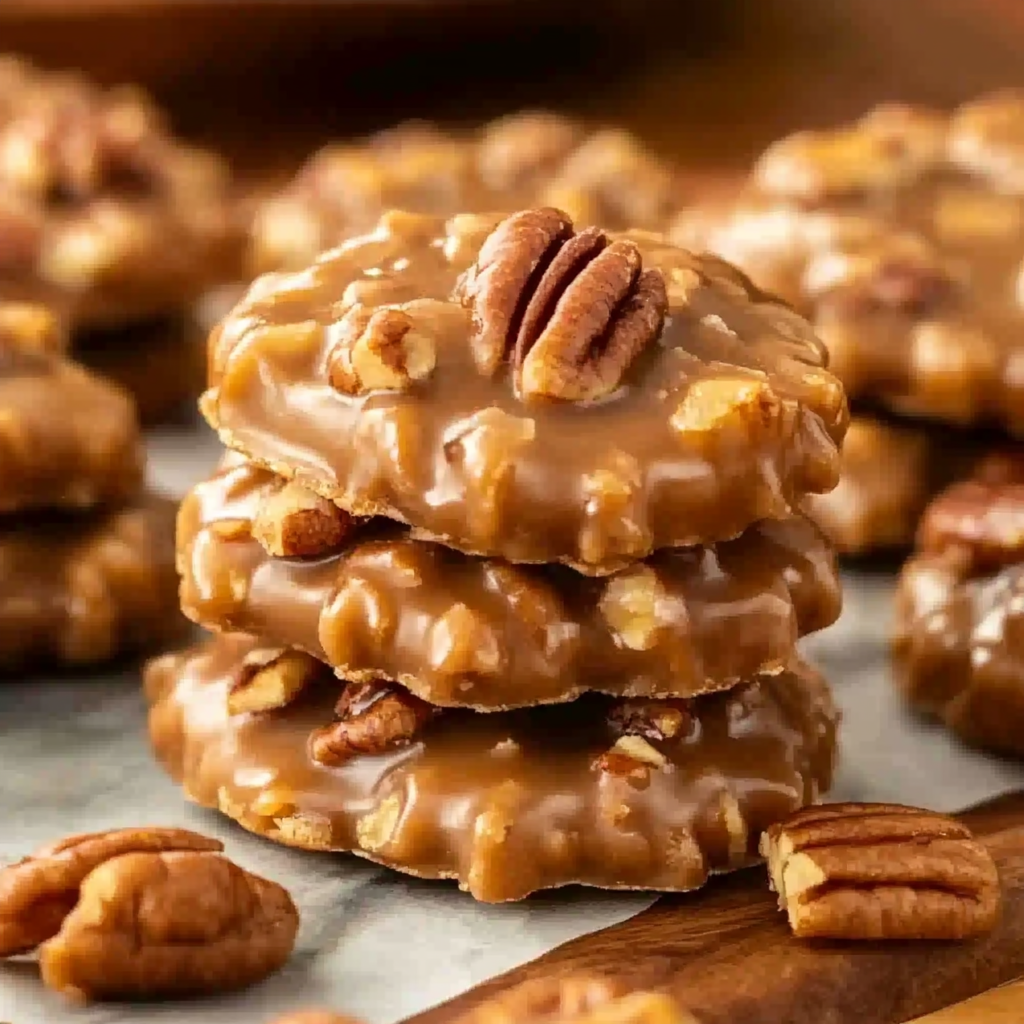
Pralines aren’t just candy in Louisiana—they’re a culture, a tradition, and a bite of Southern hospitality wrapped in rich caramel and toasted pecans. Whether you’re craving a nostalgic treat or looking to impress guests with a homemade delight, this guide walks you through everything from the history of the Louisiana praline recipe to troubleshooting texture issues and mastering the perfect creamy bite.
In this deep-dive, we’ll cover:
The historical roots of Louisiana pralines
Step-by-step instructions to make authentic pralines at home
Ingredient swaps and flavor ideas
Storage, serving, and gifting suggestions
And we’ll answer your top questions like “Why are my pralines not getting hard?”
If you’re a fan of traditional Southern desserts, don’t miss our guide to the best pecan pie balls—another no-bake gem rooted in rich pecan flavor.
The Rich History of Louisiana Pralines
How Pralines Became a New Orleans Tradition
The story of pralines begins long before they became a street-side souvenir in the French Quarter. Originally crafted in 17th-century France by a chef named Lassagne for his employer, Marshal du Plessis-Praslin, pralines were once simple sugar-coated almonds. When French settlers brought this candy to Louisiana, local cooks adapted the recipe using abundant local pecans and cream—transforming them into the soft, melt-in-your-mouth version we know today.
In Louisiana, pralines evolved into a deeply regional treat thanks to a blend of Creole culinary influence and Southern charm. They became synonymous with New Orleans, often handmade by street vendors and local confectioners. Over the years, the recipe remained a symbol of local pride and family tradition.
French Influence on the Southern Praline Culture
Louisiana cuisine is heavily influenced by French cooking, and the praline is no exception. But unlike its European cousin (which tends to be more like brittle or nut clusters), Louisiana pralines are creamy and fudge-like. This shift happened due to two major factors:
The substitution of pecans for almonds, as pecan trees are native to the region.
The addition of milk or cream, creating a softer consistency.
This fusion of French method and Southern ingredients birthed a truly distinct candy that can only be fully appreciated by biting into a freshly made praline under the Louisiana sun.
In fact, Louisiana pralines are so culturally embedded that they’re often handed out at weddings, included in gift baskets, and even used to teach kids about science and cooking.
Don’t miss our article on fried pies—another deep-fried Southern classic rooted in tradition.
Key Ingredients in an Authentic Louisiana Praline Recipe
Traditional Ingredients Every Praline Must Have
If you’re aiming to capture the authentic flavor of a Louisiana praline recipe, there are certain ingredients you simply can’t skip. While variations exist, the core elements remain the same across generations of Southern kitchens. These essentials give pralines their signature melt-in-your-mouth texture and rich, buttery taste:
Pecans – The true heart of Louisiana pralines. Fresh, halved pecans provide not only crunch but a nutty flavor that complements the candy’s sweetness.
Granulated Sugar – The foundation of the caramel-like consistency. Some recipes use brown sugar for a deeper molasses flavor, but traditional pralines rely on white sugar for clarity and smoothness.
Heavy Cream or Evaporated Milk – Cream gives the praline its signature fudge-like texture. Evaporated milk is often used as a shelf-stable alternative without compromising richness.
Butter – Adds that undeniable Southern silkiness and helps prevent crystallization.
Vanilla Extract – Enhances the depth of the candy’s flavor.
Salt – A pinch balances the sweetness and brings out the nutty tones.
These ingredients are cooked to the soft-ball stage, stirred to perfection, and spooned onto parchment to cool into perfect sweet discs.
Looking for a healthful alternative to butter-rich recipes? Discover our zucchini cake—a moist and surprising treat.
The Role of Pecans, Sugar, and Butter in Flavor and Texture
Let’s break down the three main components and their contributions:
Ingredient
Flavor Impact
Texture Contribution
Pecans
Earthy, nutty richness
Crunchy contrast
Sugar
Sweet base
Caramelization for structure
Butter
Smooth, creamy mouthfeel
Prevents graininess
Sugar, when cooked to the correct temperature, creates the stable base of the candy. Overcooking can lead to brittle, while undercooking creates runny pralines. The butter and cream emulsify with sugar to give that distinct creamy yet firm texture. The pecans, ideally toasted before use, provide bite and depth.
Adding too much of any one element, however, can throw off your batch. The key to a successful Louisiana praline is balance—not just in ingredients, but in timing and temperature.
Want a fruity twist on a Southern dessert? Don’t miss our apple pie egg rolls—perfectly crisp with a cinnamon-sugar kick.
Step-by-Step Guide – How to Make Homemade Pralines
There’s nothing quite like the aroma of sugar and butter bubbling on the stove as you prepare a fresh batch of homemade Louisiana pralines. If you’re intimidated by the idea of making candy at home, don’t be. With the right tools, patience, and this guide, you’ll be cooking up perfect pralines with that signature Southern charm in no time.
Tools and Kitchen Prep Before Starting
Before you dive into cooking, prep your kitchen properly. Having the right setup prevents costly errors like overcooking or sticky messes. Here’s what you’ll need:
Essential Tools:
Heavy-bottom saucepan (at least 3 quarts)
Candy thermometer (a must for precise results)
Silicone or wooden spoon for stirring
Parchment paper or a silicone baking mat
Ice water (for soft-ball test if no thermometer)
Tablespoon or small scoop (for portioning)
Baking sheet or marble slab (for cooling pralines)
Pre-Cooking Tips:
Toast your pecans. This brings out their nuttiness.
Line your trays ahead of time. The mixture sets quickly.
Measure all ingredients before starting. Timing is everything once the sugar melts.
Cooking Process: Temperature, Timing, and Mixing Tips
Let’s break down the cooking process, step by step:
Ingredients:
2 cups granulated sugar
1 cup packed light brown sugar
1 cup heavy cream (or evaporated milk)
4 tablespoons unsalted butter
2 teaspoons vanilla extract
1 ½ cups toasted pecan halves
Pinch of salt
Directions:
Combine sugars, cream, butter, and salt in your saucepan. Stir over medium heat until the butter melts and sugars dissolve.
Attach your candy thermometer and continue to stir as the mixture heats. You’re aiming for the soft-ball stage (234°F to 240°F / 112°C to 115°C).
Once the temperature hits 238°F (ideal midpoint), remove from heat immediately.
Add vanilla and pecans, then stir continuously for 2–3 minutes. The mixture will thicken and turn slightly matte as it cools.
When the praline mixture starts to lose its gloss but is still pourable, spoon tablespoon-sized portions onto your prepared surface.
Let them cool completely for at least 30–45 minutes until firm.
Pro Tip: If you’re not using a thermometer, test the soft-ball stage by dropping a spoonful of syrup into a bowl of ice water. If it forms a soft, pliable ball, it’s ready.
Step
Time
Notes
Heating
~10–15 mins
Don’t leave unattended
Stirring Off-Heat
2–3 mins
Until thick, creamy
Setting
30–45 mins
Don’t move while cooling
Craving more old-school candy? Learn how to master peach bars for a fruity, buttery finish.
Expert Tips to Perfect Your Praline Texture
Even seasoned cooks can find praline-making tricky. One minute it’s smooth and glossy, the next it’s grainy or gooey. Getting that ideal creamy, firm-yet-tender texture takes practice—but knowing what causes common praline issues makes a huge difference. Let’s troubleshoot your pralines with expert guidance.
Why Are My Pralines Not Getting Hard?
One of the most frustrating problems is soft, sticky pralines that never set. Here’s why it happens—and how to fix it:
1. Undercooking the Sugar Mixture
If you don’t reach at least 234°F (soft-ball stage), the sugar won’t crystallize properly, leaving your pralines runny.
Solution: Always use a candy thermometer, and don’t rely on visual cues alone. The magic range is 238°F for most reliable results.
2. Humidity
Making pralines on a humid day can ruin the batch. Sugar attracts moisture from the air, preventing it from hardening.
Solution: Avoid making pralines during rainy or muggy weather. If you must, cool them in an air-conditioned space.
3. Overstirring
Overmixing the candy once off the heat can cause sugar to crystallize too quickly, resulting in a grainy, dry texture.
Solution: Stir until the mixture thickens and loses its gloss, then spoon it out promptly. Don’t keep stirring after that point.
4. Not Enough Cooling Time
Sometimes, the pralines just need more time to fully set.
Solution: Let pralines rest on parchment or a silicone mat at room temperature for 1–2 hours. Don’t refrigerate to rush the process.
This creamy, melt-in-your-mouth Louisiana praline recipe blends rich caramel, toasted pecans, and Southern tradition into a bite-sized treat perfect for gifting or indulging.
Ingredients
Scale
2 cups granulated sugar
1 cup packed light brown sugar
1 cup heavy cream (or evaporated milk)
4 tablespoons unsalted butter
2 teaspoons vanilla extract
1 ½ cups toasted pecan halves
Pinch of salt
Instructions
Combine sugars, cream, butter, and salt in a heavy-bottom saucepan. Stir over medium heat until the butter melts and sugars dissolve.
Attach a candy thermometer and continue to stir as the mixture heats. Cook to soft-ball stage (about 238°F / 114°C).
Remove from heat, stir in vanilla and pecans, and mix continuously for 2–3 minutes until the mixture thickens and becomes slightly matte.
Spoon tablespoon-sized portions onto parchment paper or silicone mat.
Let pralines cool completely for at least 30–45 minutes until firm.
Notes
Always use a candy thermometer for best results and avoid making pralines on humid days for proper setting.
Here’s a quick checklist to ensure every batch turns out flawless:
Problem
Cause
Fix
Grainy texture
Stirring too long or reheating too often
Stir just until thickened, avoid reheating
Sticky or gooey
Didn’t reach soft-ball stage
Use a thermometer, aim for 238°F
Dry and crumbly
Overcooked or overmixed
Remove promptly at 238°F, stir just until thickened
Runny and soft
Undercooked or humid environment
Monitor weather and cook to the correct temp
Bonus Tips:
Use fresh ingredients, especially pecans and butter.
Wipe down pan edges with a damp brush to prevent sugar crystals.
Let pralines cool on parchment—not foil or metal—to avoid sticking.
Discover great ideas like our pecan pie balls, an easy no-bake twist on a classic pecan treat.
Ingredient Substitutions & Variations
One of the best things about a traditional Louisiana praline recipe is its versatility. While the classic combination of sugar, butter, and pecans is nearly perfect, there are plenty of ways to tweak the ingredients for dietary needs, flavor upgrades, or just a creative twist.
Let’s dive into how you can personalize your pralines without losing that authentic Southern charm.
Dairy-Free or Vegan Praline Options
Going dairy-free or vegan doesn’t mean giving up creamy, dreamy pralines. Here are a few substitutions that work beautifully:
Butter Substitutes:
Vegan butter sticks – Choose unsalted for better control over flavor.
Coconut oil – Offers a subtle tropical flavor and creamy mouthfeel.
Cream Substitutes:
Full-fat coconut milk – A rich alternative that works well for structure.
Oat or almond creamers – As long as they’re unsweetened and thick.
Tip: Always do a test batch when trying a new substitute to ensure the sugar sets correctly.
Traditional Ingredient
Vegan/Dairy-Free Substitute
Unsalted butter
Vegan butter or coconut oil
Heavy cream
Full-fat coconut milk
Keep in mind: You may need to slightly adjust cooking temperature or time with plant-based substitutes to achieve the correct texture.
Flavor Twists: Chocolate, Coconut, Bourbon & More
Why stop at classic when you can add some flair? Here are popular praline variations to try for new levels of deliciousness:
1. Chocolate Pralines
Stir in ½ cup semi-sweet chocolate chips just after removing the pan from heat.
Adds richness and makes a dessert that tastes like fudge + candy in one.
2. Coconut Pralines
Mix in ½ cup shredded coconut for tropical flavor and texture.
Use coconut milk in place of heavy cream for full effect.
3. Bourbon Pralines
Add 1–2 tablespoons of bourbon after removing from heat.
Gives depth, warmth, and a slight smoky finish. Great for gifting!
4. Maple Pecan Pralines
Substitute ½ of the sugar with pure maple syrup.
Results in a softer, slightly stickier praline with bold flavor.
Variation
Additions
Flavor Notes
Chocolate
Chocolate chips
Fudgy, rich
Coconut
Shredded coconut
Tropical, chewy
Bourbon
Kentucky bourbon
Smoky, bold
Maple
Pure maple syrup
Deep, woodsy sweetness
Don’t miss our twist on fruity flavors with peach bars—they pair perfectly with pralines for a summer dessert tray.
How to Store and Package Pralines Like a Pro
After putting time and effort into perfecting your Louisiana praline recipe, the last thing you want is for them to dry out, stick together, or lose their texture. Proper storage and packaging are key—especially if you’re gifting pralines or making them ahead of an event. This part will show you how to keep your pralines fresh, beautiful, and ready to impress.
Storage Best Practices for Freshness
Shelf life: Homemade pralines typically last 7–10 days at room temperature—sometimes longer if stored properly.
1. Cool Before Storing
Always allow pralines to cool completely before packaging. Any remaining heat will create condensation, which leads to stickiness.
2. Use Airtight Containers
Place them in a single layer, separated with wax or parchment paper. If you stack them, add a sheet between layers to prevent sticking.
Storage Method
Lifespan
Notes
Airtight container at room temp
7–10 days
Keep in cool, dry place
Refrigerator
2–3 weeks
Texture may become firmer
Freezer
Up to 3 months
Best if wrapped individually
3. Avoid Humidity
Store in a cool, dry spot—avoid the fridge unless your home is humid. If you refrigerate, let pralines come to room temp before serving for the best texture.
4. Freeze for Long-Term Use
Wrap pralines in plastic wrap or wax paper, then place in a freezer-safe container. Thaw at room temperature without unwrapping to avoid condensation.
Gift and Holiday Packaging Ideas
Whether for birthdays, holidays, or party favors, pralines make fantastic gifts. Here’s how to make your homemade treats look as good as they taste:
1. Cellophane Bags + Ribbon
Place 2–4 pralines in a clear bag and tie with twine or a seasonal ribbon.
Add a custom tag with ingredients or a handwritten note.
2. Kraft Boxes or Tins
Use small bakery boxes lined with parchment paper.
For holidays, opt for decorative tins or printed boxes with festive patterns.
3. Custom Labels
Include labels with:
“Homemade Louisiana Pralines” title
Ingredients for allergy transparency
Storage instructions
Date made / Best by date
4. Use Cupcake Liners for Single Servings
Place each praline in a liner and arrange in a gift box. This keeps them separate and clean.
Occasion
Packaging Idea
Extra Touch
Christmas
Festive tin
Green/red ribbon
Birthdays
Kraft box
Handwritten tag
Weddings
Clear bag
Guest name as label
Housewarming
Paper box
Recipe card inside
Learn more about packaging small treats with our guide to pecan pie balls—perfect for holiday trays or edible gifts.
Why Louisiana Pralines Stand Out From the Rest
Not all pralines are created equal—and if you’ve ever had a fresh praline in the heart of New Orleans, you know what we mean. From the ingredients to the texture to the history, Louisiana pralines are in a league of their own. But what exactly makes them so special?
Let’s explore the regional differences and cultural pride that give this Southern candy its distinct identity.
Regional Pride: Are Pralines a Louisiana Thing?
Yes, and proudly so. While pralines may have originated in France, Louisiana—especially New Orleans—is where they found their soul. Pralines became popular in the South during the 19th century, but the Creole community in Louisiana made the praline what it is today.
In New Orleans, pralines are:
Sold in local candy shops and open-air markets
Wrapped in wax paper and given as wedding or party favors
Handed out by street vendors as sweet tokens of local hospitality
Pralines in Louisiana are so ingrained in the culture, they’re often referred to as “Creole candy.” The recipe has been passed down for generations and continues to be a symbol of family tradition, celebration, and Southern pride.
Don’t miss our nostalgic comfort dessert: zucchini cake—a modern twist with Southern roots.
Texture and Flavor Differences Across the South
So how do Louisiana pralines differ from those made in other Southern states? It all comes down to texture, ingredients, and preparation style.
Feature
Louisiana Pralines
Other Southern Pralines
Texture
Creamy, fudge-like
Hard, brittle-like
Main Nut
Pecans (halves or chopped)
Pecans or peanuts
Milk Content
Often includes cream or evaporated milk
May skip dairy entirely
Sugar
White + brown sugar blend
More white sugar dominant
Flavor Notes
Buttery, caramelized, rich
Crisp, sugary, sometimes toffee-like
Louisiana pralines are soft, rich, and melt in your mouth, with a buttery base and deep caramel flavor. Other versions, like Texas pralines, are often drier and crunchier, resembling brittle.
In fact, locals can tell at a glance if a praline is truly “from home”—and if it’s not, they’re not impressed.
Key Louisiana Traits:
Creamy not chewy
Never sticky or hard
Loaded with pecans
Made fresh in small batches
Looking for inspiration? Try our apple pie egg rolls—a bold spin on a classic with just the right sweetness.
Serving Ideas and Pairings for Pralines
Once you’ve made a batch of perfect, creamy Louisiana pralines, the next step is enjoying them. Sure, they’re incredible straight off the wax paper—but pralines are surprisingly versatile when it comes to serving, pairing, and presentation. Whether it’s a brunch spread, a dessert platter, or a wedding gift, pralines add Southern charm and rich sweetness to any moment.
Best Drinks and Desserts to Serve with Pralines
Because of their bold caramel-pecan flavor, pralines pair wonderfully with a range of drinks and other desserts. Here are some mouthwatering combinations:
Coffee & Espresso
The slight bitterness of coffee balances the pralines’ sweetness. A strong French roast or a creamy café au lait is a perfect companion.
Sweet Wines & Dessert Liqueurs
Port or Sherry: Their rich, complex notes enhance the praline’s flavor.
Baileys or Bourbon Cream: Serve chilled alongside pralines for a grown-up dessert pairing.
Ice Cream
Crumble a praline over:
Vanilla bean
Butter pecan
Coffee or caramel swirl
Bonus: You can even melt a praline into warm milk to create a praline-inspired caramel drink.
Dessert Pairings:
Dessert
Why It Works
Pound Cake
Light sponge offsets rich candy
Chocolate Tart
Bitterness balances sweetness
Peach Cobbler
Fruity, warm flavors blend beautifully
Apple Crisp
Cinnamon and pecan combo = Southern perfection
Check out our peach bars—they pair beautifully with pralines on any summer dessert tray.
Praline Pairings for Brunches, Parties, or Holidays
Pralines aren’t just candy—they’re a statement treat that fits into a variety of entertaining setups. Here’s how to use them for special occasions:
Holiday Platters
Combine pralines with:
Chocolate truffles
Fudge squares
Sugar cookies
Mini pecan pies
Arrange on a vintage tray or cutting board for a beautiful, rustic display.
Brunch Boards
Add pralines to a brunch board alongside:
Mini croissants
Cheese slices
Dried fruit
Cinnamon rolls
It adds a sweet and crunchy contrast to a typically savory spread.
Wedding & Party Favors
Individually wrap pralines in wax paper, place in mini kraft boxes, and add a ribbon + thank-you tag. It’s a memorable, edible gift your guests won’t forget.
Dessert Bars
Want a self-serve dessert station? Include pralines next to:
No matter how many times you’ve made pralines—or how many you’ve eaten—there are always questions that pop up. Whether you’re troubleshooting your first batch or just curious about the sweet legacy of this candy, we’ve got answers.
What are the ingredients in pralines?
The core ingredients in a classic Louisiana praline recipe include:
Granulated sugar
Brown sugar (for depth)
Heavy cream or evaporated milk
Unsalted butter
Pecans (halves or chopped)
Vanilla extract
A pinch of salt
Some variations may include ingredients like maple syrup, coconut, or bourbon, but these basics form the foundation of most traditional recipes.
Are pralines a Louisiana thing?
Absolutely. While pralines originated in France, the version made with pecans, cream, and butter is uniquely Louisiana. New Orleans in particular has adopted pralines as a culinary icon, with many locals referring to them as “Creole candy.”
Pralines in Louisiana are sold by street vendors, candy shops, and passed down through generations as family recipes, often reserved for holidays and special occasions.
How to make your own praline?
To make pralines at home:
Combine sugar, brown sugar, cream, and butter in a saucepan.
Cook to soft-ball stage (238°F) while stirring.
Remove from heat and stir in vanilla and toasted pecans.
Stir until the mixture thickens and loses its shine, then quickly spoon onto parchment paper.
Let cool completely before serving.
Need help with texture? Check out our full guide above to avoid sticky, grainy, or too-soft results.
Use a candy thermometer to be precise, and avoid making pralines on humid days. Let them cool completely at room temp for 1–2 hours before judging the final texture.
Conclusion: Bring the Sweet South Home with This Louisiana Praline Recipe
There’s something magical about biting into a homemade Louisiana praline—that first creamy, buttery burst of caramelized sugar, the crunch of toasted pecans, the richness that lingers just long enough to make you want another. From its roots in Creole kitchens to its place on modern dessert trays, pralines remain a true Southern classic.
In this complete guide, we’ve covered:
The rich history and cultural roots of pralines
The essential ingredients and cooking methods
Troubleshooting tips for perfect texture
Creative variations and vegan-friendly swaps
How to store, serve, and gift them
And expert answers to the most frequently asked questions
Whether you’re making them for family gatherings, weddings, or just your own sweet cravings, these creamy, melt-in-your-mouth pralines are a foolproof way to spread Southern hospitality—one candy at a time.
I share easy, flavorful recipes that make home cooking simple, fun, and totally satisfying. Let's get in the kitchen and create something delicious together!









What do you think?
Share your thoughts, tips, or variations on this recipe!